
Women in the UK Curry Industry: Breaking Barriers
The Kitchen's Invisible Workforce
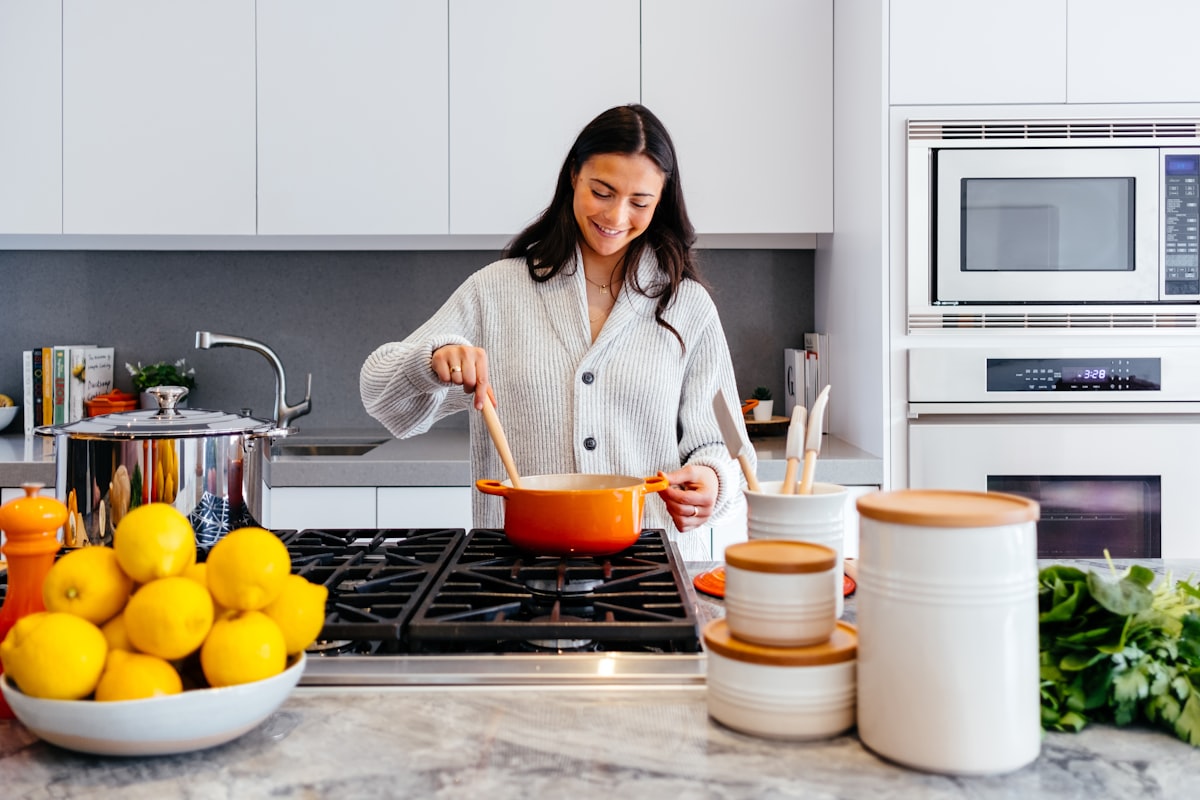
For as long as anyone can remember, South Asian women have been the custodians of curry. In homes across Bangladesh, Pakistan, India, and Sri Lanka — and in British Asian households — it's predominantly women who've developed, refined, and passed down the recipes that define this cuisine. Yet walk into any professional curry restaurant kitchen in the UK, and you'll struggle to find a single woman behind the stove.
That disconnect is one of the curry industry's most glaring contradictions. The food that built a £5 billion British industry was perfected by women — but the industry itself was built almost exclusively by men. Understanding why, and how that's finally starting to change, matters for the future of British curry.
The Historical Context
When the first wave of South Asian restaurants opened in Britain during the 1960s and 70s, they were overwhelmingly male enterprises. The early restaurateurs were young men who'd migrated from Sylhet in Bangladesh or from parts of Punjab, often leaving their families behind initially. Restaurant kitchens were hot, cramped, physically demanding spaces with working hours stretching from noon to midnight. The culture was masculine, the language was rough, and the expectation was that women belonged at home.
Even as families reunited and British-born generations emerged, the professional curry kitchen remained a male domain. Cultural expectations, lack of female role models in the industry, and the genuinely hostile working conditions of many restaurant kitchens combined to maintain the status quo well into the 2000s.
The Women Changing the Game
Over the past decade, a growing number of women have stepped into professional curry kitchens — and boardrooms — challenging assumptions and proving that excellence in this cuisine has no gender.
The Chef Pioneers
Across Britain, female curry chefs are emerging in increasing numbers. Some trained formally through college programmes before deliberately seeking out curry restaurants that would give them a chance. Others transitioned from home cooking, turning decades of family knowledge into professional credentials. What they share is a determination to be judged on their food, not their gender.
Their presence is changing kitchen culture in tangible ways. Restaurants with female chefs report lower rates of kitchen aggression, better compliance with hygiene standards, and — crucially — food that's often more nuanced and faithful to traditional home-cooking methods. The irony isn't lost on anyone: the women bring the food closer to its authentic roots.
Female Restaurant Owners
Women-owned curry restaurants are still a minority, but the number is growing steadily. Many are second-generation daughters who grew up in the industry and saw both its potential and its problems. They're bringing fresh perspectives on design, marketing, customer experience, and employment practices whilst honouring the culinary traditions of their parents' generation.
Others are career changers — women who worked in corporate environments, discovered a passion for cooking, and decided to open their own restaurants. They bring business acumen, marketing sophistication, and professional management practices that the industry desperately needs.
Challenges That Persist
Despite progress, significant barriers remain:
Cultural Expectations
In some communities, there's still resistance to women working in restaurant kitchens. The late hours, the physical demands, and the male-dominated environment make it a difficult career choice for women with families — though this challenge isn't unique to the curry industry.
Workplace Culture
Kitchen culture in many curry restaurants hasn't evolved. Aggressive behaviour, crude language, and casual sexism remain commonplace. For a woman entering this environment, every day can feel like a battle for basic respect — on top of the already demanding work of professional cooking.
Visibility
Awards, media coverage, and industry recognition still disproportionately favour male chefs. The annual curry awards ceremonies rarely feature female nominees in chef categories, which perpetuates the perception that professional curry cooking is a male pursuit.
How the Industry Can Do Better
Creating a more inclusive curry industry isn't just about fairness — it's about survival. The sector faces chronic staff shortages, and excluding half the potential workforce is a luxury it cannot afford. Practical steps restaurants can take:
- Actively recruit women — include women in your job advertising imagery, post on platforms that reach diverse candidates, and consider flexible working patterns that accommodate caring responsibilities
- Zero tolerance policies — implement and enforce clear policies against harassment and bullying. Make the kitchen a safe space for everyone.
- Mentorship programmes — pair emerging female chefs with experienced professionals. Seeing someone who looks like you succeed makes ambition feel achievable.
- Celebrate female contributors — on social media, in your restaurant's storytelling, and through industry nominations. Visibility breeds aspiration.
- Family-friendly working — split shifts, school-hours roles, and job shares aren't just attractive to women — they appeal to anyone with caring responsibilities.
For more on how the home cooking tradition connects to professional practice, read our article on from home cook to professional curry chef. And to understand how the second generation is reshaping the industry more broadly, our piece on second-generation owners bringing new ideas captures this evolution beautifully.
The Future Looks Different
The curry industry in 2026 looks different from 2016, and 2036 will look different again. More women are training as chefs, more are starting restaurants, and more are being recognised for their contributions. The journey is far from complete, but the direction of travel is clear. An industry built on recipes perfected by women is finally starting to welcome them into its professional kitchens. It's long overdue.
Related Articles
How to Become a Curry Chef in the UK
Dreaming of a career in curry? From college courses to kitchen apprenticeships, here's the roadmap to becoming a curry chef.
Kitchen Porter to Head Chef: Real Career Stories
Started washing dishes, now they're running the kitchen. Inspiring career stories from people who worked their way up in curry.

Hiring Part-Time Staff for Your Curry Restaurant
Part-time staff give you flexibility and save on costs. But getting the right people and managing them well takes skill.