
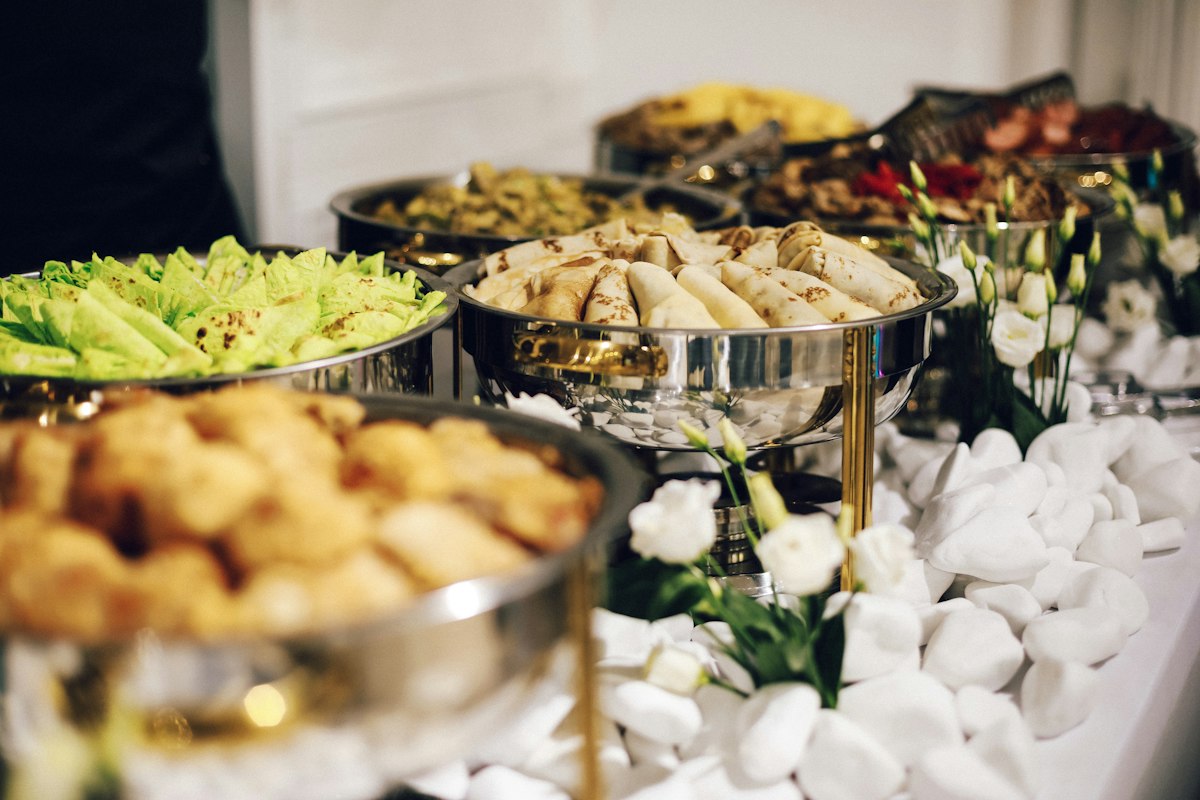
Awadhi Kakori Kebab: The Silk-Smooth Skewer That Demands a Hundred Spices
There is a test that the old kebab masters of Lucknow are said to have applied: a true Kakori kebab should be soft enough to be eaten by a toothless nawab, melting on the tongue before it ever reaches a molar. Whether or not the legend is literally true, it captures everything that sets this kebab apart. The Kakori is not about char or chew or robust spicing for its own sake. It is about an almost impossible smoothness, a minced-meat skewer so fine and so tender that it barely holds together over the coals, and that quiet perfection is the whole point.
The Refinement of Awadh
Kakori takes its name from a small town near Lucknow, the old capital of Awadh, and it is pure product of that court's obsessive culinary culture. Awadhi cuisine grew under the nawabs into one of the most refined kitchens in the subcontinent, defined by the technique of dum cooking — slow steaming in sealed pots — and by a love of subtlety over force. Where Mughlai cooking elsewhere could be rich and forthright, Awadhi cooking prized fragrance, delicacy and balance. The Kakori kebab is the kebab cook's answer to that ideal: take the humblest format, minced meat on a skewer, and refine it until it is the most luxurious thing on the table.
What Makes It So Tender
The silken texture rests on three pillars, and all three matter.
- Raw papaya. Green, unripe papaya is the traditional tenderiser. It contains the enzyme papain, which breaks down the proteins in the meat, and a paste of it is worked into the mince and left to do its quiet work. This is the secret weapon, and it is why an authentic Kakori needs no chewing.
- The mince itself. Ordinary mince will not do. The meat — usually lamb or mutton from a tender cut — is minced not once but several times, often pounded further by hand or on a stone until it is a smooth, almost pate-like paste. Any sinew is removed. The fat is included deliberately, because it bastes the kebab from within.
- The fat and the binding. A little ghee or rendered fat, sometimes a spoon of roasted gram flour or fried-onion paste, helps bind the soft mince just enough to cling to the skewer without making it dense.
A Hundred Spices, Lightly Worn
The Kakori's spice mix is legendary for its length and its secrecy; families and ustaads (master cooks) guard their own garam masala blends jealously. The number 'a hundred spices' is poetic exaggeration, but the principle is real: the seasoning is complex, layered and warm rather than sharp. A characteristic blend leans on:
- Green and black cardamom, cloves, cinnamon and mace — the warm, aromatic Mughlai core.
- Nutmeg and sometimes a whisper of kewra (screwpine) or rosewater for floral perfume.
- White pepper rather than red chilli, keeping the heat gentle and the colour pale.
- Fried onions (birista) and ginger-garlic, ground into the meat for sweetness and depth.
What distinguishes the spicing is restraint. Nothing should shout. The whole array dissolves into a single rounded, fragrant savour, so that you taste the perfume of the kebab without being able to name any one spice.
From Skewer to Smoke
The soft mince is moulded by hand onto thick metal skewers — seekhs — in long, even cylinders, a skill in itself, because the mixture is almost too soft to hold. The skewers are cooked over glowing charcoal, turned constantly, the cook basting with ghee so the surface takes on the faintest gloss and a gentle smokiness without ever drying out. Some kitchens finish the smoking with the dhungar method, placing a piece of live coal in a small dish among the kebabs, dripping ghee onto it and trapping the smoke under a lid to perfume the meat. The finished kebab is pale gold, never blackened, and yields to the lightest pressure.
How It Is Eaten
A Kakori kebab is served simply, because it has nothing to hide behind. The classic accompaniments are warm, thin roomali roti (the 'handkerchief bread' rolled paper-thin), sliced raw onion, a wedge of lemon and a fresh green chutney. A sprinkle of chaat masala is welcome. The bread and the kebab together, with a little tang from the chutney and onion, are all you need. There is no heavy gravy here, no clutter — just the meat, made as fine as human patience can make it.
The Kebab as Craft
It is worth dwelling on why the Kakori still commands such respect among chefs. In an age of fast cooking it is gloriously inefficient: the papaya marination, the repeated mincing and pounding, the careful skewering of a paste that wants to fall off, the patient basting over coals. Each step exists to serve texture. This is cooking as craft rather than convenience, and the better Indian restaurants in Britain that put a Kakori on the menu are making a quiet statement about their kitchen's seriousness. If you ever see one done properly, order it. You will understand at the first bite why the nawabs of Awadh thought minced lamb worth a hundred spices and an afternoon's labour — and why no toothless gentleman ever went hungry at their table.
Related Articles
Shorshe Ilish: The Bengali Art of Hilsa in Mustard Gravy
Shorshe ilish marries the oily, intensely flavoured hilsa fish with a sharp mustard gravy in a dish that sits at the very heart of Bengali identity. Here is how it is built, why the bones matter, and how to tame the bitterness of the mustard.
Kosha Mangsho: How Bengalis Slow-Cook Mutton to Mahogany
Kosha mangsho is Bengal's deep, dark, celebratory mutton curry, coaxed to a mahogany sheen through slow reduction rather than added colour. This is the bhuna-style technique behind the wedding-and-festival classic, and how to serve it with luchi.

Chingri Malai Curry: Bengal's Prawn and Coconut Showpiece
Chingri malai curry pairs plump prawns with a silky, gently spiced coconut gravy in one of Bengal's grandest dishes. We trace its possible Malay roots, explain how to pick the right prawns, and share the technique that keeps the coconut milk from splitting.