
Shorshe Ilish: The Bengali Art of Hilsa in Mustard Gravy
Ask a Bengali to name the one dish that defines home, and a great many will land on the same answer before they have finished the question: shorshe ilish. A silver hilsa fish, glistening in a gravy of ground mustard so pungent it makes your nose prickle, eaten with a mound of plain steamed rice. It is not a dish you order to be comfortable. It is a dish you order to feel something. For the Bengali diaspora across the UK, a plate of shorshe ilish is a passport stamp back to the rivers of the delta.
Why hilsa is more than a fish
Hilsa, known as ilish in Bengali, is a member of the herring family that lives in the sea but swims upriver to spawn, fattening as it goes through the Padma, the Meghna and the Hooghly. That migration is the whole point. The flesh is rich, soft and laced with oil, carrying a flavour so distinct that no other fish is considered an honest substitute. It is woven into religious festivals, monsoon feasting and the rivalry between East and West Bengal, where cooks argue endlessly over whether Padma ilish or Ganga ilish is superior.
The fish is so prized that a fine specimen commands extraordinary prices in Kolkata and Dhaka markets, and a whole frozen hilsa is a genuine luxury in British Bengali grocers. When the season peaks during the monsoon, the smell of mustard and fish drifts out of kitchens from Whitechapel to Oldham, and everyone who grew up with it knows exactly what is cooking.
The bone question
There is no escaping it: hilsa is a famously bony fish, threaded with fine, forked intramuscular bones that catch the unwary. Bengalis treat this not as a flaw but as a rite of passage. The flesh is so fine that filleting it would strip away both texture and flavour, so the fish is almost always cooked on the bone, cut into thick steaks across the body. Eating it is a slow, attentive, almost meditative act of separating flesh from bone with the fingers, and children are taught the technique from a young age.
- Buy the fish whole where possible and have it cut into 3cm cross-sections, scales scraped, gills and gut removed.
- Keep the head and tail; they are coveted, and the head in particular is often used in a separate dish.
- Rinse gently and pat dry, then rub lightly with turmeric and salt before cooking. Do not over-handle the delicate flesh.
- Warn your guests. A first-timer should be told, kindly, that this fish demands patience.
Taming the mustard
The soul of the dish is the mustard paste, and it is where most home cooks come unstuck. Bengali mustard is usually a blend of yellow and brown seeds, or the small reddish-brown variety, and when ground it can turn aggressively bitter if treated carelessly. Two things cause that bitterness: grinding the seeds dry without enough water, and the heat of an overworked grinder, which scorches the oils.
The traditional remedy is to soak the seeds, then grind them with a pinch of salt and a couple of green chillies, using cool water to keep the paste from heating. Many cooks add a little soaked poppy seed or a sliver of green chilli to round out the edge. The paste should be smooth, the colour of pale custard, and sharp rather than sour. Strain it if you want a silkier gravy.
Building the gravy
Authentic shorshe ilish is built on mustard oil, never a neutral oil. The mustard oil is heated until it just smokes, which mellows its raw bite, then cooled slightly before the cooking begins. This twin use of mustard, as both seed and oil, is what gives the dish its singular, nose-tingling character.
The method is deliberately restrained. There are no onions, no garlic, no garam masala, no tomato. The list of aromatics is almost austere:
- Mustard oil, heated and rested.
- The ground mustard paste, loosened with water.
- Turmeric for colour and earthiness.
- Slit green chillies for fragrant heat.
- A drizzle of raw mustard oil at the end, and sometimes a scatter of nigella seeds.
The lightly fried or raw-marinated fish steaks are slipped into the simmering mustard gravy and cooked gently, the pan covered, for only a few minutes on each side. Hilsa cooks quickly and falls apart if bullied, so the heat stays low and the spoon stays away. The finished gravy should be thin to medium, a pale gold flecked with green, just enough to spoon generously over rice.
How UK kitchens approach it
Outside the home, shorshe ilish is a rarer sight than the familiar curry-house staples, largely because good hilsa is seasonal, expensive and demands a cook who understands it. Where you do find it, often in Bengali-run restaurants and supper clubs in London, the East Midlands and the North West, it is usually treated as a seasonal special rather than a menu fixture. Restaurants frequently rely on quality frozen hilsa shipped from Bangladesh and India, which, while not the equal of fresh river fish, still carries that unmistakable oily richness. Some kitchens steam the dish in a banana leaf parcel, a method known as ilish bhapa, which seals in the aroma beautifully.
Serving it the right way
This is not a dish for naan or chips. Shorshe ilish belongs with plain white rice, ideally a soft, slightly sticky short or medium grain, with the warm mustard gravy poured over and worked through with the fingers. A wedge of lime, a few extra green chillies on the side, and perhaps a simple shukto or a plate of fried aubergine to begin. Eat it slowly, mind the bones, and you will understand why, for so many Bengalis far from the delta, this single plate tastes like the whole of home.
Related Articles

Kosha Mangsho: How Bengalis Slow-Cook Mutton to Mahogany
Kosha mangsho is Bengal's deep, dark, celebratory mutton curry, coaxed to a mahogany sheen through slow reduction rather than added colour. This is the bhuna-style technique behind the wedding-and-festival classic, and how to serve it with luchi.

Chingri Malai Curry: Bengal's Prawn and Coconut Showpiece
Chingri malai curry pairs plump prawns with a silky, gently spiced coconut gravy in one of Bengal's grandest dishes. We trace its possible Malay roots, explain how to pick the right prawns, and share the technique that keeps the coconut milk from splitting.
Panch Phoron: Mastering Bengal's Five-Spice Tempering
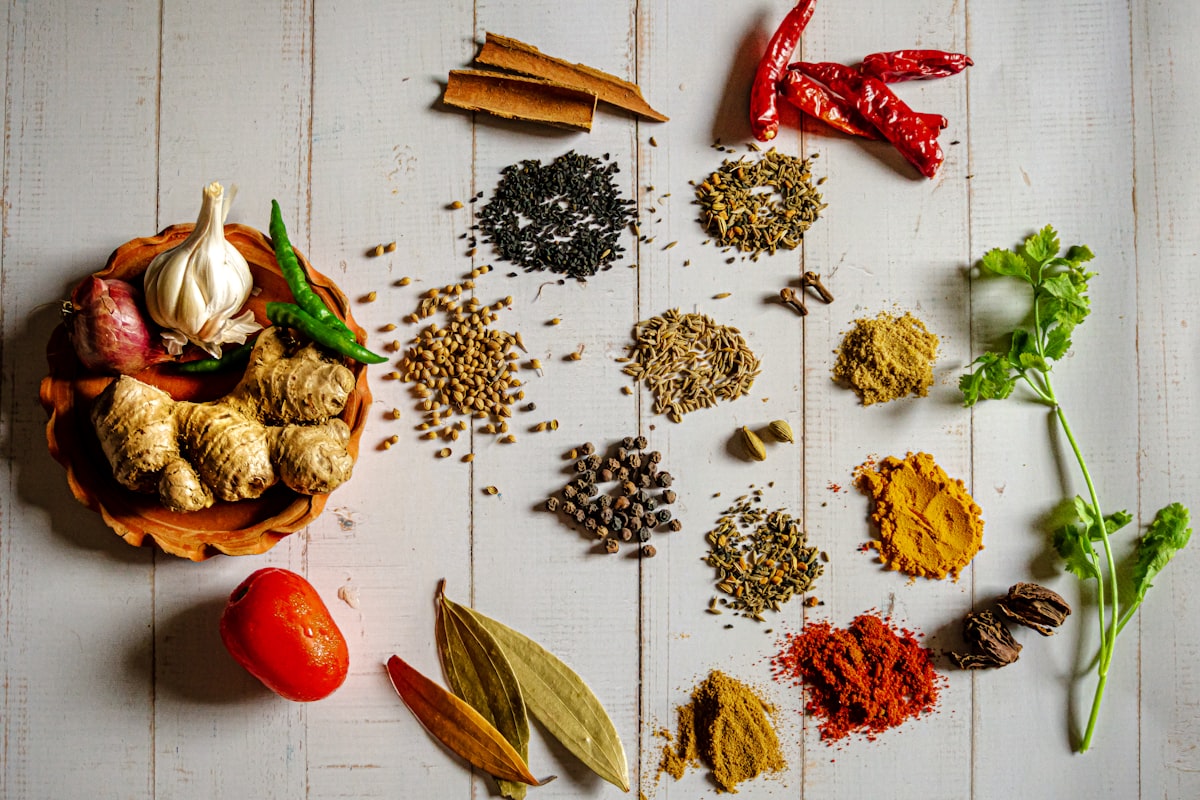
Panch phoron is the Bengali five-spice blend used whole, never ground, and crackled in hot oil to transform dals and vegetables. Here are the five seeds, the reason they stay intact, and how to nail the tempering every time.