
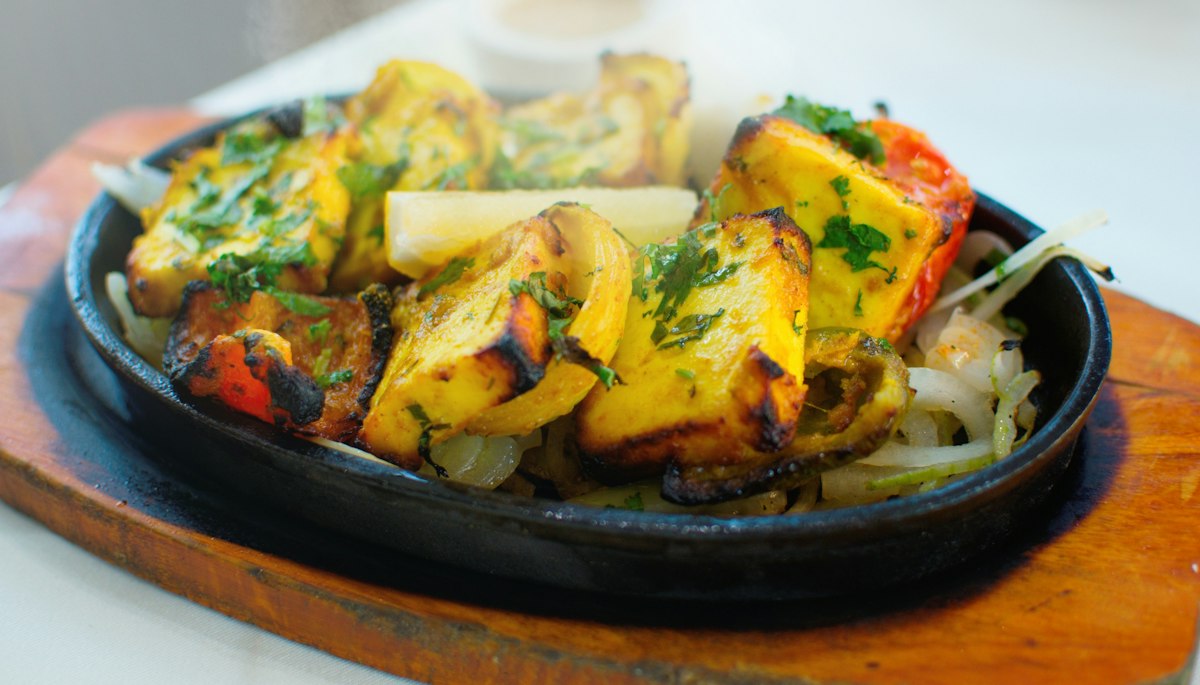
Classic Lamb Rogan Josh Recipe Step by Step
The Origins of Rogan Josh
Rogan josh is one of the signature dishes of Kashmiri cuisine, a slow-cooked lamb curry distinguished by its deep red colour and complex aromatic profile. The name derives from the Persian words for oil and heat, reflecting the dish's cooking method where lamb is braised in a richly spiced oil-based sauce until meltingly tender.
Unlike many British curry house interpretations, authentic rogan josh relies on Kashmiri chillies and specific whole spices rather than generic curry powder. The result is a dish with remarkable depth of flavour that is warmly spiced rather than fiercely hot.
Ingredients for Authentic Rogan Josh
- 1kg lamb shoulder, cut into 4cm chunks
- 4 tablespoons mustard oil or ghee
- 2 bay leaves
- 4 green cardamom pods, lightly crushed
- 2 black cardamom pods
- 1 cinnamon stick
- 6 cloves
- 2 teaspoons fennel seeds
- 3 large onions, thinly sliced
- 6 cloves garlic, made into a paste
- 4cm ginger, made into a paste
- 3 teaspoons Kashmiri chilli powder
- 2 teaspoons ground coriander
- 1 teaspoon ground cumin
- 400g natural yoghurt, whisked
- 1 teaspoon garam masala
- Fresh coriander for garnish
Method
Preparing the Base
Heat the mustard oil in a heavy-bottomed pan until it just begins to smoke, then reduce the heat to medium. Add the bay leaves, cardamom pods, cinnamon, cloves, and fennel seeds. Stir for 30 seconds until fragrant. Add the sliced onions and cook slowly for 20-25 minutes until they are deeply golden brown. This patient onion cooking is essential for the dish's rich, sweet base.
Building the Curry
Add the garlic and ginger pastes, stirring for two minutes. Add the Kashmiri chilli powder, ground coriander, and cumin, cooking for one minute while stirring constantly to prevent burning. Add the lamb pieces and sear on all sides, turning the meat to coat it in the spice mixture.
Reduce the heat to low and begin adding the whisked yoghurt one tablespoon at a time, stirring continuously after each addition. This gradual incorporation prevents the yoghurt from splitting and creates a silky sauce. Once all the yoghurt is incorporated, add enough water to just cover the meat.
Slow Cooking to Perfection
Bring to a gentle simmer, cover with a tight-fitting lid, and cook on the lowest possible heat for 90 minutes to two hours. The lamb should be fork-tender and the sauce reduced to a thick, oil-rich gravy. Stir occasionally and add small amounts of water if the sauce reduces too quickly.
In the final five minutes of cooking, sprinkle over the garam masala and stir through. This late addition preserves the aromatic qualities of the spice blend. Garnish with fresh coriander and serve with steamed basmati rice or warm naan bread alongside chicken tikka masala for a feast.
Chef's Tips
- Lamb shoulder has more connective tissue than leg, which breaks down during slow cooking to create a richer sauce
- Authentic Kashmiri rogan josh uses a spice called mawal, or dried cockscomb flower, for its signature red colour
- The dish improves significantly when made a day ahead and gently reheated
- Use an authentic spice collection for the best results
Related Articles
Shorshe Ilish: The Bengali Art of Hilsa in Mustard Gravy
Shorshe ilish marries the oily, intensely flavoured hilsa fish with a sharp mustard gravy in a dish that sits at the very heart of Bengali identity. Here is how it is built, why the bones matter, and how to tame the bitterness of the mustard.
Kosha Mangsho: How Bengalis Slow-Cook Mutton to Mahogany
Kosha mangsho is Bengal's deep, dark, celebratory mutton curry, coaxed to a mahogany sheen through slow reduction rather than added colour. This is the bhuna-style technique behind the wedding-and-festival classic, and how to serve it with luchi.

Chingri Malai Curry: Bengal's Prawn and Coconut Showpiece
Chingri malai curry pairs plump prawns with a silky, gently spiced coconut gravy in one of Bengal's grandest dishes. We trace its possible Malay roots, explain how to pick the right prawns, and share the technique that keeps the coconut milk from splitting.