Eid Celebrations: Menu Ideas for Restaurants
The Biggest Dining-Out Occasion You Might Be Missing
Twice a year, millions of Muslims across Britain break their routine and celebrate. Families gather, new clothes are worn, gifts are exchanged, and — crucially for anyone in the restaurant business — people eat. A lot. Eid is one of the largest dining-out occasions on the British calendar, and restaurants that plan for it properly can see a single week generate revenue equivalent to an entire average month. If you're not creating special Eid menus and marketing them to your community, you're leaving significant money on the table.
Understanding the Two Eids
There are two distinct Eid celebrations in the Islamic calendar, and they have different characters and traditions — understanding this helps you tailor your offering.
Eid ul-Fitr
Celebrated at the end of Ramadan (the month of fasting), Eid ul-Fitr is a joyful, festive occasion marking the completion of 30 days of spiritual discipline. After a month of abstaining from food during daylight hours, people are ready to feast. The mood is celebratory, light, and social. Families visit each other's homes, children receive money (Eidi), and sweet dishes play a prominent role.
For restaurants, Eid ul-Fitr typically means breakfast and lunch bookings (the celebration starts after the morning Eid prayer), large family groups, and a preference for both traditional and celebratory dishes. Sweet offerings are particularly valued.
Eid ul-Adha
Also known as the "Festival of Sacrifice," Eid ul-Adha commemorates the willingness of Ibrahim (Abraham) to sacrifice his son as an act of obedience to God. Traditionally, families arrange the sacrifice of an animal (usually a lamb or goat), with the meat divided into three parts: one for the family, one for friends and relatives, and one for those in need.
For restaurants, Eid ul-Adha means meat-focused menus. Lamb is the star — in every form from slow-cooked shanks to grilled chops to elaborate biryanis. The celebration tends to be more solemn than Eid ul-Fitr initially but equally festive at the dining table.
Menu Ideas for Eid ul-Fitr
Your Eid ul-Fitr menu should feel generous, festive, and include standout sweet dishes:
Starters:
- Chaat platters (papdi chaat, aloo tikki chaat) — vibrant, tangy, perfect for sharing
- Seekh kebabs with mint raita
- Samosa platter with three dipping sauces
Mains:
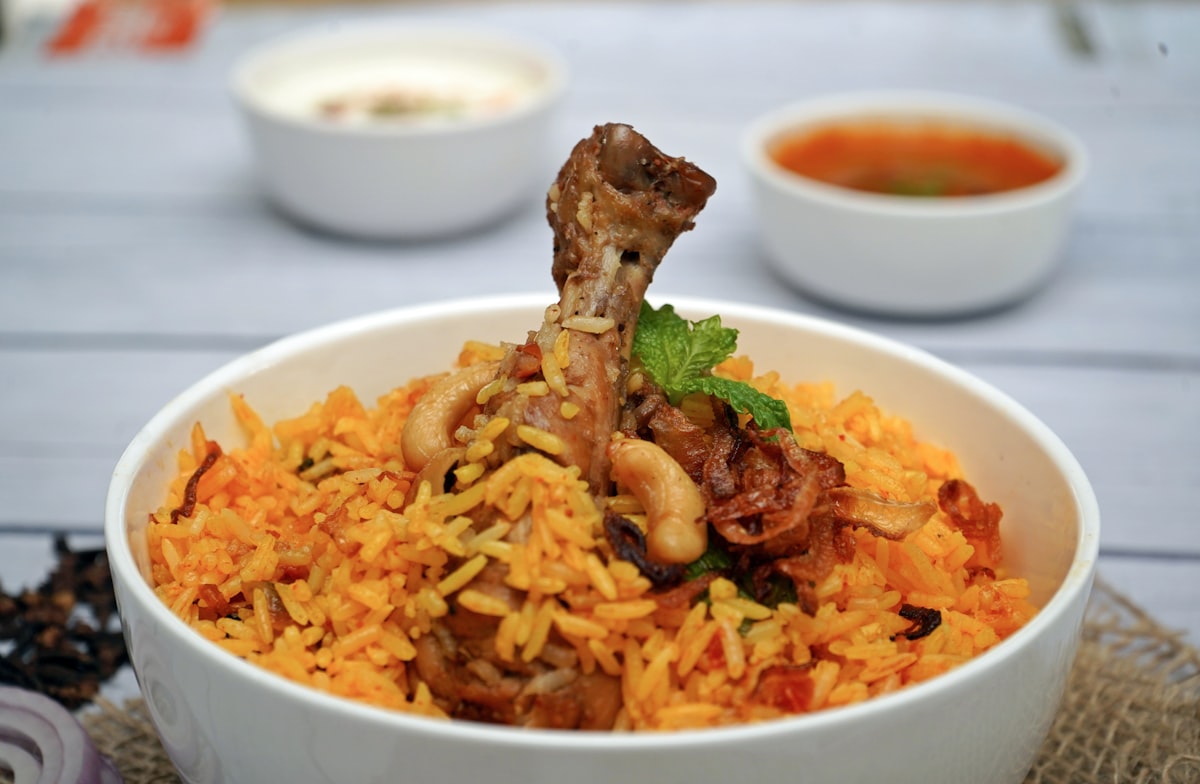
- Chicken biryani — the undisputed king of Eid feasting
- Lamb korma — rich, aromatic, celebratory
- Haleem — a slow-cooked wheat and meat stew that's deeply traditional and comforting
- Mixed vegetable biryani for vegetarian guests
Desserts (the star of Eid ul-Fitr):
- Sheer khurma — vermicelli pudding with dates, pistachios, and rose water. This is THE Eid dessert.
- Gulab jamun — warm, syrup-soaked dumplings
- Ras malai — delicate cottage cheese balls in sweet, cardamom-scented milk
- Kheer — rice pudding with saffron and almonds
Menu Ideas for Eid ul-Adha
The focus here is squarely on meat, particularly lamb:
- Lamb biryani — a centrepiece dish that serves the table
- Nihari — a slow-cooked bone marrow and lamb stew, profoundly rich and flavourful
- Lamb chops — grilled in the tandoor with a spice crust
- Mutton karahi — bold, punchy, cooked in a wok with tomatoes and green chillies
- Whole roasted leg of lamb with Mughlai spices — for pre-ordered family feasts
Our guide on sourcing halal meat is essential reading for Eid preparation.
Practical Considerations
Managing the Booking Surge
Eid dates shift each year (the Islamic calendar is lunar), so plan well ahead. Once dates are confirmed, open Eid bookings at least 3-4 weeks in advance. You'll see large group bookings (8-20 people is common for family gatherings), so prepare your floor plan for flexibility. Consider offering sittings (early and late) to maximise covers.
Extended Hours
On Eid ul-Fitr, demand starts early — many families eat brunch or lunch together after morning prayers. Consider opening at 11am or even 10am if there's demand. For Eid ul-Adha, the peak is typically lunch and dinner. Both Eids can sustain extended trading hours that would be unsustainable on a normal day.
Promoting to the Community
Reach your Eid audience through the channels they use:
- Local mosques — ask to place a flyer on the community noticeboard or include a mention in the newsletter
- WhatsApp groups — community groups are extremely active around Eid
- Instagram and Facebook — visually appealing menu graphics, shared with relevant hashtags (#Eid2026, #EidMubarak, #EidFood)
- Local Islamic community centres and schools
Decoration
A few simple touches can make your restaurant feel special for Eid. Fairy lights, fresh flowers, crescent moon and star decorations, and "Eid Mubarak" signage in the window show that you're celebrating too. It costs very little but signals respect and inclusion. Seasonal promotions are always more effective when the atmosphere matches the occasion.
Eid isn't just an opportunity — it's a responsibility. Your Muslim customers celebrate these occasions with food at the centre, and they deserve a restaurant experience that honours the significance of the day. Plan well, cook brilliantly, and make it memorable.
Related Articles
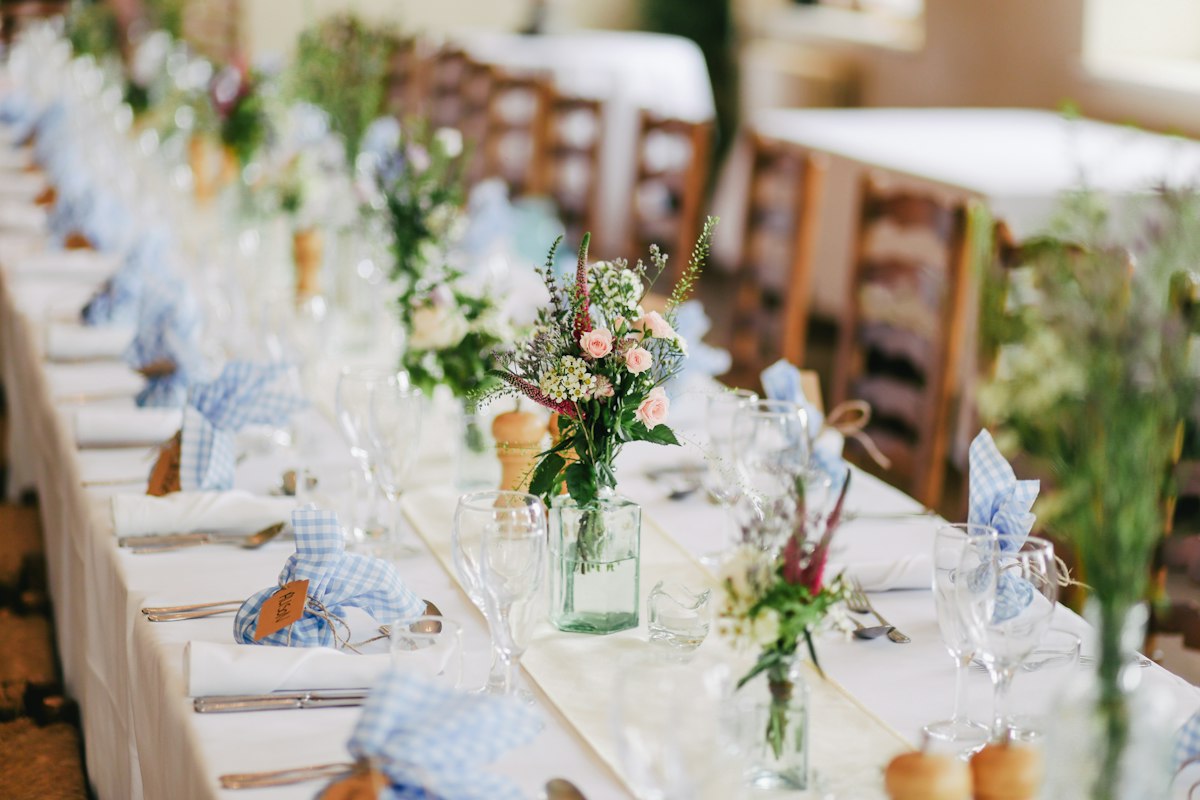
Wedding Catering with Indian Food: A Growing Trend
Indian wedding catering has gone mainstream in the UK. From intimate receptions to grand affairs, curry is the new wedding feast.
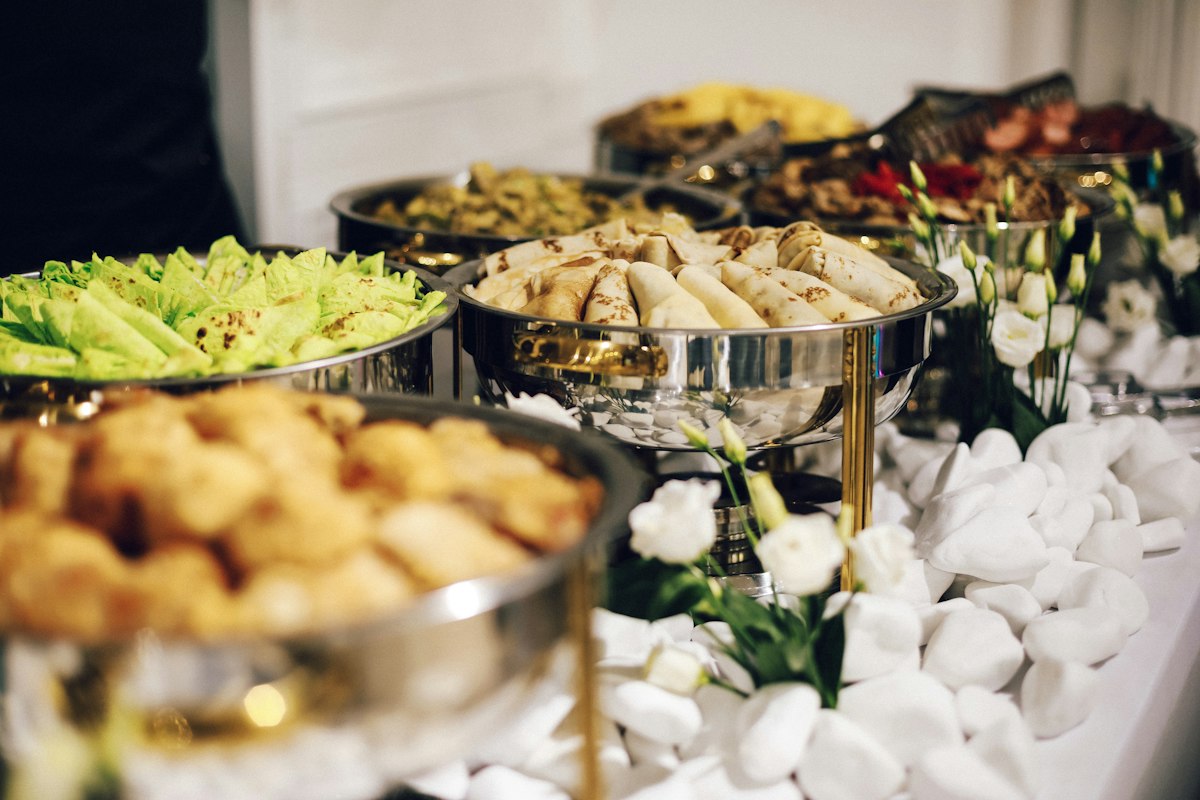
Catering for Large Events: A Curry Restaurant Guide
Taking your curry off-site for events is a smart revenue stream. But large-scale catering has its own challenges and rules.

Organising a Charity Curry Night for Your Community
A charity curry night builds community goodwill and puts your restaurant in the spotlight. Here's how to organise a great one.