
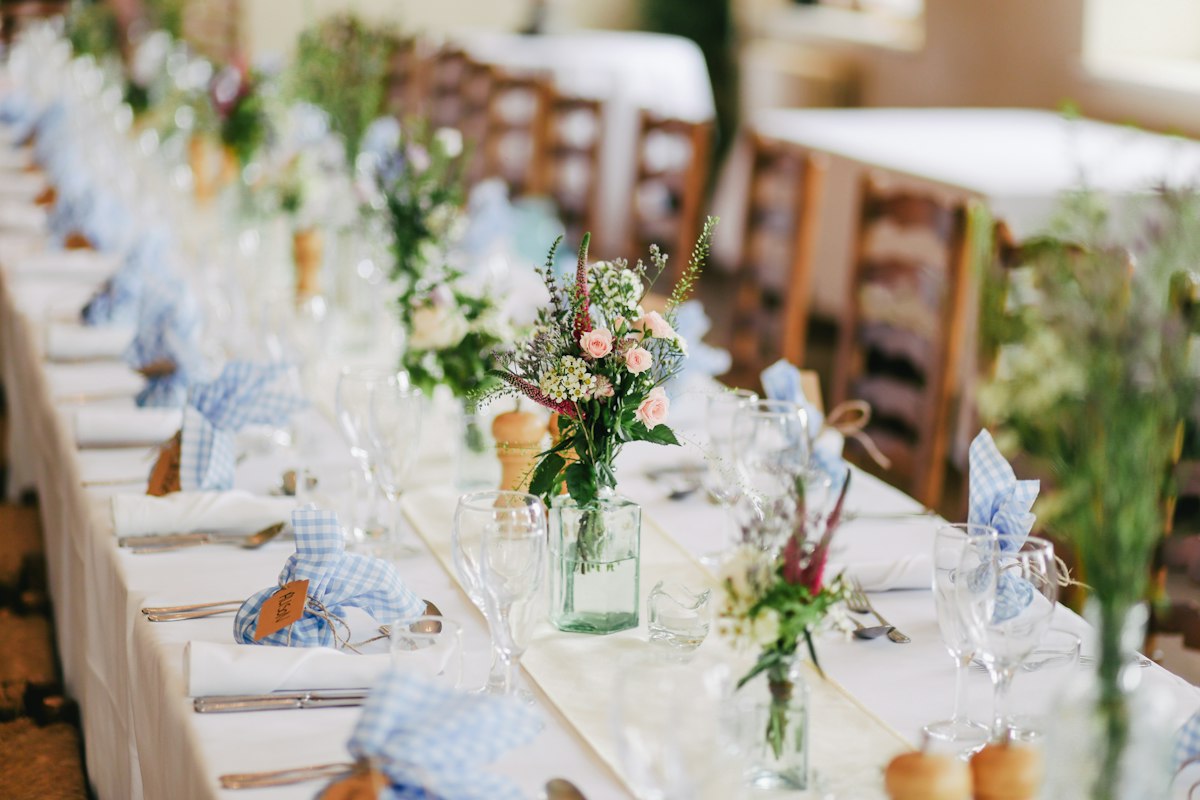
Wedding Catering with Indian Food: A Growing Trend
From Niche Request to Must-Have Option
Five years ago, when a non-South Asian couple requested a full Indian menu for their wedding reception, the caterer might have raised an eyebrow. Today, Indian wedding catering is one of the fastest-growing segments of the UK events industry. Wedding planners report a 35-40% increase in requests for Indian food from couples of all backgrounds, and dedicated Indian wedding caterers are booked solid months in advance. The appeal isn't hard to understand: Indian food is vibrant, generous, endlessly varied, and fundamentally designed for celebration. What better food could there be for the biggest party of your life?
Why Indian Food Works for Weddings
The reasons go deeper than "everyone likes a curry." Indian cuisine has structural advantages for wedding catering that few other cuisines can match.
Variety: A single Indian menu can include dozens of distinct dishes across starters, mains, sides, breads, and desserts. This means every guest — regardless of dietary requirements, spice tolerance, or personal preference — finds something they love. Try achieving that variety with a traditional British three-course wedding breakfast.
Sharing format: The communal serving style traditional in Indian dining naturally creates a convivial, celebratory atmosphere. Guests help themselves, discover new dishes, share recommendations across the table. It's interactive in a way that plated service isn't.
Visual impact: The colours of Indian food — saffron yellows, vibrant greens, deep reds — are inherently photogenic. In an era where every wedding is documented on Instagram, food that looks as good as it tastes has enormous value.
Dietary inclusivity: Indian cuisine has the broadest range of genuinely delicious vegetarian and vegan options of any major culinary tradition. When 15-20% of your guest list doesn't eat meat — increasingly common in 2026 — Indian food means nobody gets a sad afterthought of a main course.
Menu Planning for Weddings
Wedding menu planning requires a different approach to restaurant menu design. You're catering for a wider range of tastes, managing larger numbers, and operating under the pressure of a couple's most important day.
Starters and Canapés
Canapé-style starters work brilliantly for the drinks reception. Mini samosas, tandoori prawn skewers, paneer tikka bites, aloo tikki with tamarind chutney, and lamb kofta with raita all translate well to canapé format. Plan 6-8 canapés per person for a one-hour drinks reception.
Main Course Options
For buffet service (the most common format for Indian wedding catering), plan 3-4 meat dishes, 2-3 vegetarian dishes, 2 rice/biryani options, 2-3 bread varieties, and 3-4 accompaniments (raita, chutney, pickles, salad). This sounds like a lot, but the variety is what makes it special.
Suggested main course lineup for a crowd-pleasing wedding buffet:
- Chicken tikka masala (the crowd favourite — never underestimate it)
- Lamb biryani (the centrepiece)
- Butter chicken or chicken korma (a mild option)
- Prawn masala (if budget allows)
- Paneer tikka masala or palak paneer (vegetarian)
- Chana masala or dal makhani (vegan-friendly)
- Pilau rice and plain basmati
- Garlic naan, plain naan, roti
Desserts
Indian desserts can be a revelation for guests who haven't encountered them before. Gulab jamun, ras malai, mango kulfi, and kheer are all excellent at scale. Some couples opt for a fusion approach — Indian-inspired dessert tables alongside a traditional cake, or a mango and cardamom wedding cake.
Dietary Considerations at Scale
When you're feeding 150+ guests, dietary management becomes a serious logistical exercise. You'll typically need to accommodate:
- Vegetarians and vegans (increasingly 15-25% of guest lists)
- Gluten-free (naan and samosa pastry contain wheat — offer rice-based alternatives)
- Dairy-free (ghee and cream feature heavily — have alternatives prepared)
- Nut allergies (ground almonds and cashews appear in many sauces — flag clearly)
- Halal requirements (if applicable, ensure all meat is certified)
Clear labelling at the buffet is non-negotiable. Every dish should have a card listing its name and all major allergens. Your event catering systems should make this standard practice.
Pricing and Tasting Sessions
Indian wedding catering in the UK typically ranges from £25-60 per person, depending on the menu scope, service style, and level of premium.
- Budget buffet (4-5 dishes): £25-32 per head
- Mid-range buffet (6-8 dishes + starters): £32-45 per head
- Premium buffet or plated (8+ dishes, canapé reception): £45-60+ per head
Tasting sessions are essential and expected. Invite the couple (and often their parents) to your restaurant for a guided tasting of the proposed menu. This is as much about building confidence and rapport as it is about food selection. Charge a nominal fee (£50-100 for two) that's credited against the final invoice — this filters out casual enquiries whilst demonstrating professionalism.
The Logistics of Wedding Catering
Weddings have no margin for error. The food must arrive on time, at the right temperature, in the right quantity, and looking impeccable. This means:
- A site visit to the venue at least 2 weeks before the event
- Confirmed access times and setup locations
- Backup equipment (extra chafing dishes, fuel, serving utensils)
- A detailed timeline coordinated with the wedding planner or venue manager
- Staff briefed on the specific requirements and running order
The best Indian wedding caterers treat every event as a showcase. Presentation standards at fine dining level — brass serving ware, fresh flower garnishes, elegant buffet styling — elevate the experience from "catering" to "celebration." That attention to detail is what gets you recommended to the next couple, and the next, and the next.
Related Articles
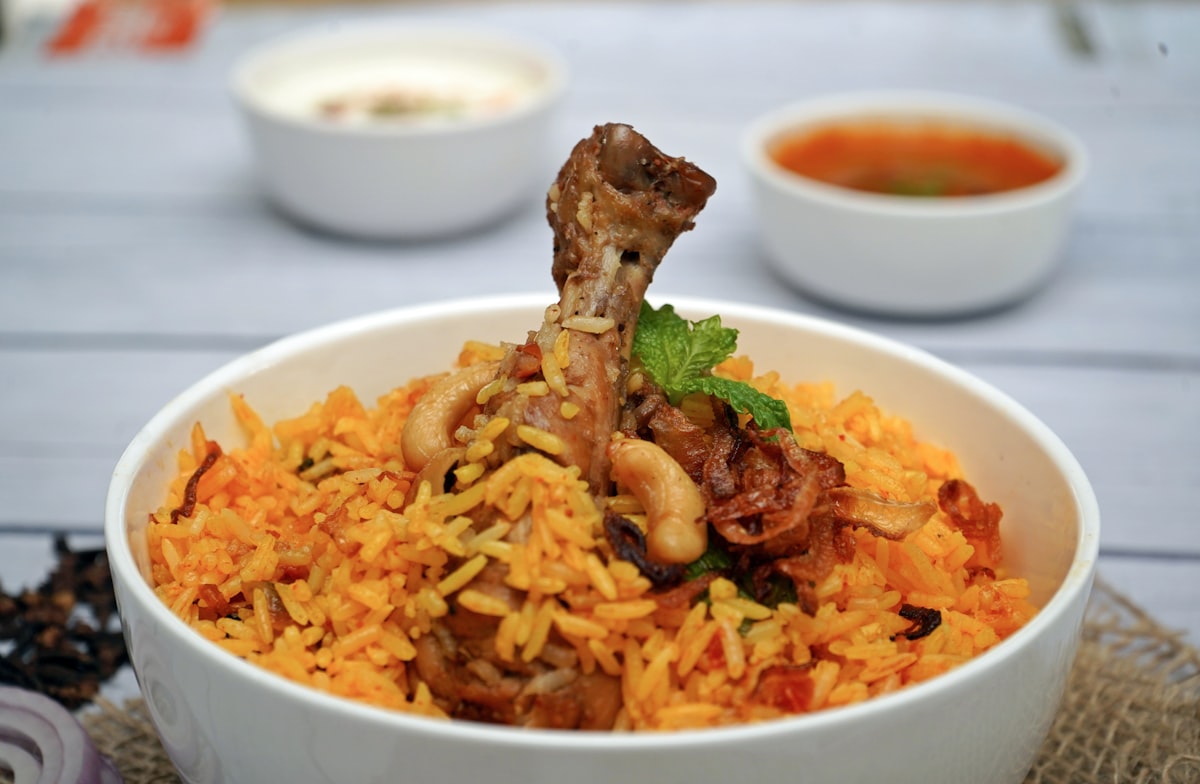
Eid Celebrations: Menu Ideas for Restaurants
Eid is one of the biggest dining-out occasions of the year. Special menu ideas to make the celebration memorable at your restaurant.
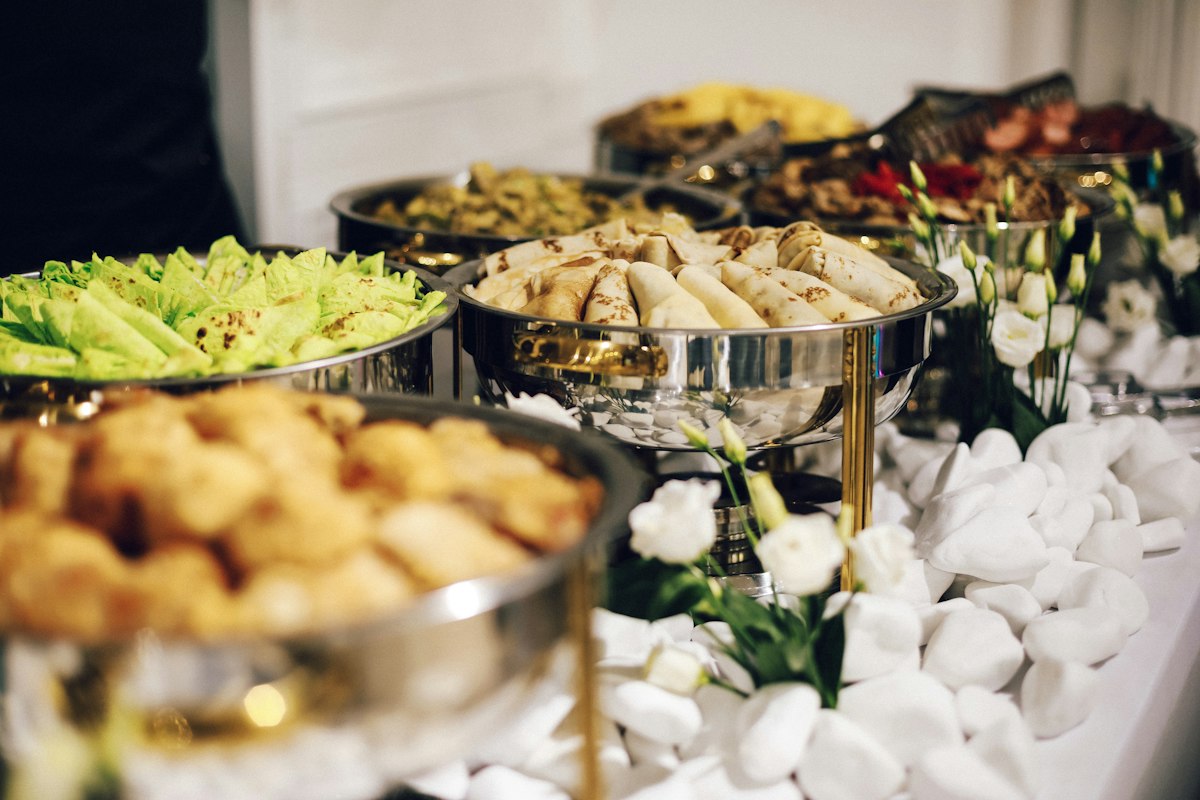
Catering for Large Events: A Curry Restaurant Guide
Taking your curry off-site for events is a smart revenue stream. But large-scale catering has its own challenges and rules.

Organising a Charity Curry Night for Your Community
A charity curry night builds community goodwill and puts your restaurant in the spotlight. Here's how to organise a great one.