

How to Handle Negative Online Reviews Professionally
That One-Star Review Isn't the End of the World
Your phone buzzes at 11pm on a Saturday night. You've just finished a brutal service — 90 covers, the tandoor playing up, one member of staff called in sick. You glance at the notification: "New Google Review — 1 star." Your heart sinks, your blood boils, and every fibre of your being wants to fire off a response telling this person exactly where they can stick their opinions.
Don't. Put the phone down. Walk away. Make a cup of tea. Deal with it tomorrow, when you're calm and thinking clearly. Because how you respond to that review matters far more than the review itself.
Why Your Response Matters More Than the Review
Here's the thing most restaurant owners don't realise: potential customers don't just read the bad review — they read your response. A thoughtful, professional response to a one-star review actually builds trust. It shows you care, you're listening, and you're committed to doing better. Conversely, an aggressive or dismissive response confirms every negative assumption the review makes.
Research by BrightLocal found that 89% of consumers read business responses to reviews. A well-handled negative review can be more powerful than a dozen five-star ones.
The Response Framework
After years of helping curry restaurants manage their online reputation, we've developed a framework that works consistently:
Step 1: Acknowledge and Apologise
Even if you think the complaint is unfair, acknowledge the customer's experience. "Thank you for your feedback. We're sorry your experience didn't meet expectations." This isn't admitting fault — it's showing empathy.
Step 2: Address the Specific Issue
Don't use a generic response for every review. If they complained about slow service, explain what happened (without making excuses). "We were unusually busy that evening and our service wasn't up to our usual standard." If they complained about the food, take it seriously: "We take consistency very seriously and have discussed your feedback with our kitchen team."
Step 3: Take It Offline
Invite them to continue the conversation privately. "We'd love the opportunity to make this right. Please contact us at [email/phone] and ask for [name]." This shows other readers you're proactive whilst avoiding a public back-and-forth.
Step 4: End Positively
"We hope you'll give us another chance to show you the experience we're known for." Leave the door open.
What NOT to Do
We've seen some spectacular own goals in restaurant review responses. Avoid these at all costs:
- Getting defensive. "Actually, our food is excellent and everyone else loves it" makes you sound arrogant.
- Attacking the reviewer. "Maybe your taste buds are broken" — yes, we've actually seen this. Unbelievably damaging.
- Questioning their honesty. "We have no record of your booking" implies they're lying, even if it's true.
- Writing an essay. Keep your response under 150 words. Nobody wants to read a 500-word defence.
- Ignoring it. No response at all suggests you don't care.
Spotting and Removing Fake Reviews
Fake reviews are unfortunately common in the restaurant industry. Competitors, disgruntled ex-staff, or people who've never visited can all leave damaging reviews. Signs of a fake review:
- The reviewer has only left one or two reviews ever
- No specific details about the food, service, or visit
- The review appeared shortly after a dispute with a supplier, neighbour, or former employee
- Multiple negative reviews appear within a short period from new accounts
To report a fake review on Google: find the review, click the three dots, select "Report review," and choose the appropriate reason. Google's response time varies from days to weeks. If the first report is rejected, try again with more detail. For persistent issues, contact Google Business support directly through your dashboard.
Turning Negative Into Positive
Some of the best customer relationships we've seen have started with a bad review. One restaurant in Nottingham received a scathing one-star review about a lamb dish. The owner personally called the customer, invited them back for a complimentary meal, and asked them to meet the chef. The customer updated their review to five stars and became a regular who's spent thousands over the following years.
That's not weakness — that's smart business. The cost of a free meal (£15-20 in food cost) versus the lifetime value of a loyal customer (potentially £2,000-5,000) makes this a no-brainer every time.
Proactive Review Management
The best defence against negative reviews is a flood of positive ones. A restaurant with 4.5 stars and 300 reviews barely flinches from an occasional one-star. A restaurant with 3.8 stars and 40 reviews gets hammered by every negative one. For practical strategies on building your review count, check out our guide on getting more Google reviews. And for a broader approach to your online presence, our article on managing online reviews covers multiple platforms beyond Google.
Every negative review is uncomfortable. But handled well, it's an opportunity to demonstrate the character of your business to every potential customer who reads it.
Related Articles

Wedding Catering with Indian Food: A Growing Trend
Indian wedding catering has gone mainstream in the UK. From intimate receptions to grand affairs, curry is the new wedding feast.
Catering for Large Events: A Curry Restaurant Guide
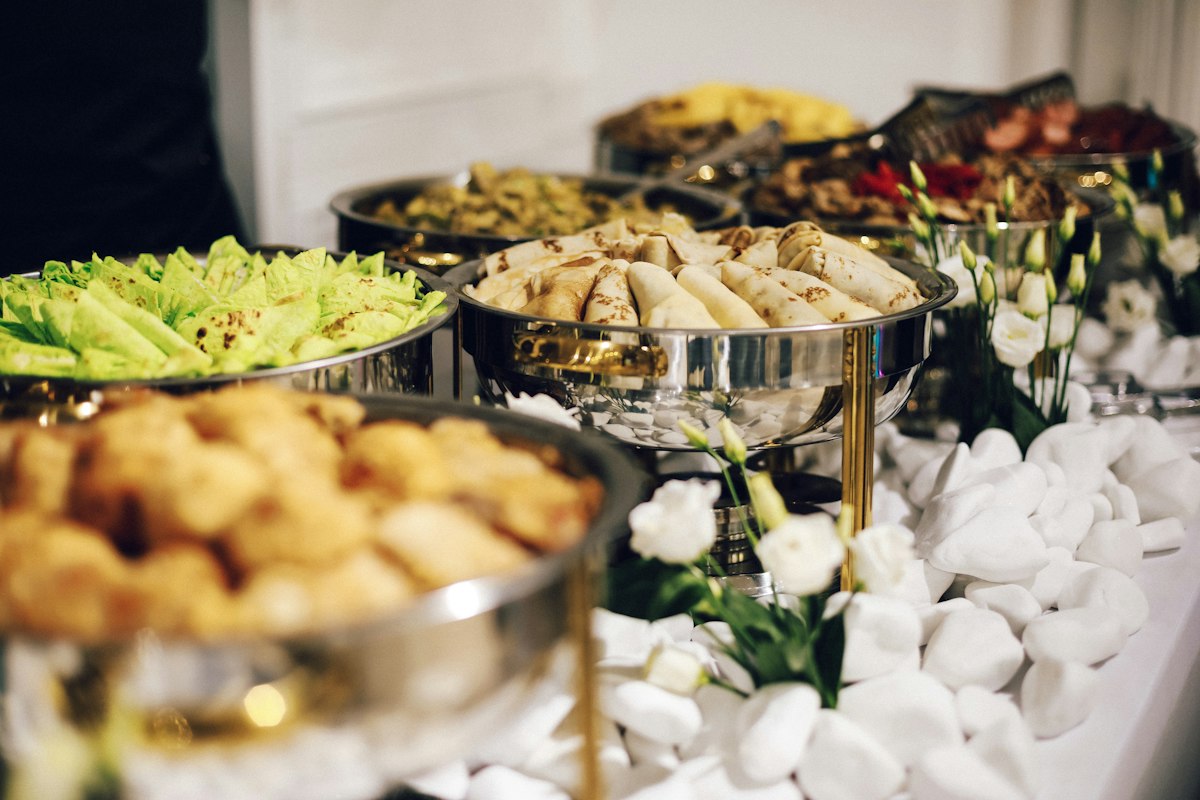
Taking your curry off-site for events is a smart revenue stream. But large-scale catering has its own challenges and rules.
EPOS Systems Compared for Indian Restaurants
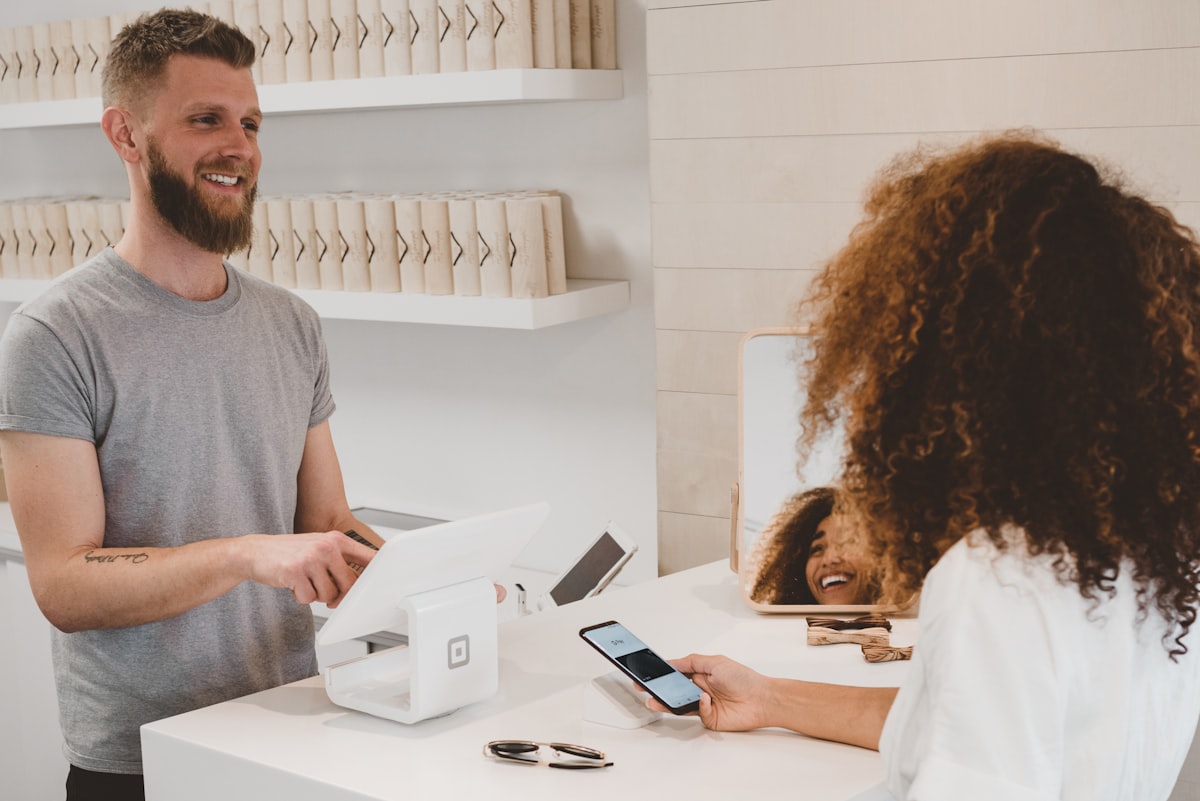
The right EPOS system does more than take payments. Compare the top options for curry restaurants by features, cost, and value.