

How to Price Your Curry Menu for Maximum Profit
Most Restaurant Owners Get Pricing Wrong
Pricing a menu feels straightforward until you actually sit down and do it. Then you're staring at a spreadsheet wondering whether your chicken tikka masala should be £11.95 or £12.95 — and that single pound difference, multiplied across thousands of orders a year, could mean the difference between a healthy profit and barely breaking even.
We've worked with curry restaurant owners across the UK who've transformed their bottom line simply by rethinking how they price. Not by charging more across the board — that's lazy and customers notice — but by understanding the science and psychology behind what people are willing to pay, and structuring the menu so the most profitable items sell the most.
Understanding Food Cost Percentages
The foundational rule of menu pricing is food cost percentage. For every dish you sell, what proportion of the selling price goes towards ingredients? For curry restaurants in the UK, the target range is 28-32%. Here's what that looks like in practice:
- A chicken korma that costs £2.80 in ingredients should sell for £9.30-£10.00 (28-30%)
- A lamb biryani costing £4.10 should sell for £12.80-£14.60
- A vegetable samosa starter costing £0.45 should sell for £1.40-£1.60 (this is why starters are so profitable)
The critical mistake many owners make is pricing based on what the place down the road charges rather than their own actual food costs. Your costs might be completely different depending on your suppliers, portion sizes, and waste levels.
Calculating Your Actual Food Cost
For each dish, weigh and cost every single ingredient at current purchase prices. Yes, including the oil, the garnish, and the squeeze of lemon. Then divide that total cost by your target selling price. If the result is above 0.32, you either need to raise the price or reduce the portion.
The Psychology of Menu Pricing
Humans are irrational about money, and smart pricing exploits this beautifully:
Charm Pricing
£12.95 genuinely feels cheaper than £13.00 to most people. This isn't a myth — decades of retail research confirms it. Use .95 endings for your mains and .50 for starters and sides. Never use round numbers unless you're deliberately positioning as premium.
Anchor Pricing
Place your most expensive dish prominently near the top of each section. A £19.95 special lobster curry makes your £13.95 lamb shank look reasonable by comparison. You don't need to sell many of the anchor item — its job is to make everything else feel like good value.
Remove the Pound Sign
Studies from Cornell University found that removing the currency symbol from menus increased average spend by 8%. Instead of "£12.95" write "12.95". It sounds trivial, but it works by reducing the psychological pain of spending money.
Avoid Price Columns
Never align prices in a neat column on the right side of the menu. This encourages customers to scan down the price column and choose the cheapest option. Instead, place the price at the end of the dish description in the same font, so the eye naturally reads the description first.
Your High-Margin Heroes
Not all menu items are created equal. Some categories are dramatically more profitable than others:
- Rice dishes: Pilau rice costs roughly 30-40p per portion and sells for £3.50-4.50. That's a 85-90% gross margin.
- Naan bread: A garlic naan costs about 25-35p and sells for £3.00-3.95. Incredible margins.
- Drinks: A bottle of Cobra costs you £1.20-1.50 and sells for £4.50-5.50. Soft drinks are even better — a glass of mango lassi costs about 40p to make.
- Poppadoms and chutneys: This "free starter" tradition costs you 15-20p per person. If you charge £1.50-2.50 for the tray, it's almost pure profit.
The takeaway here: your mains get people through the door, but rice, bread, and drinks pay the bills. Train your staff to suggest these confidently with every order. For more on this approach, read our article on restaurant menu engineering for maximum profit.
Competitive Pricing: Know Your Market
You need to know what every competitor within a 3-mile radius charges. Not to copy them, but to position yourself deliberately. If the average chicken tikka masala in your area is £10.95, pricing yours at £13.95 requires clear justification — better ingredients, larger portions, superior ambience. Pricing it at £8.95 might drive volume but could signal low quality.
In affluent areas like Chiswick, Altrincham, or Harrogate, customers expect and accept higher prices for a quality experience. In price-sensitive areas, you need to compete on value without sacrificing margin — and that means being clever about portion engineering and high-margin upsells rather than simply charging less.
The Menu Engineering Matrix
Categorise every dish into one of four quadrants:
- Stars — high popularity, high profit margin. Promote these heavily.
- Ploughhorses — high popularity, low margin. Raise prices slightly or reduce portion cost.
- Puzzles — low popularity, high margin. Reposition on the menu, rename, or have staff recommend them.
- Dogs — low popularity, low margin. Remove them. Every dog on your menu takes attention away from profitable items.
Review this matrix quarterly. Your best-selling dish might also be your least profitable — and you'd never know without running the numbers. Controlling costs is the other side of this equation, so take a look at our piece on managing food waste effectively to ensure your margins stay healthy.
Review and Adjust Regularly
Ingredient prices shift constantly. Lamb prices alone rose 18% between 2024 and 2026. If you haven't adjusted your menu prices in twelve months, you're almost certainly losing margin. Review quarterly, adjust twice a year as a minimum, and always reprint menus looking fresh — customers notice tatty menus with prices crossed out and rewritten.
Related Articles
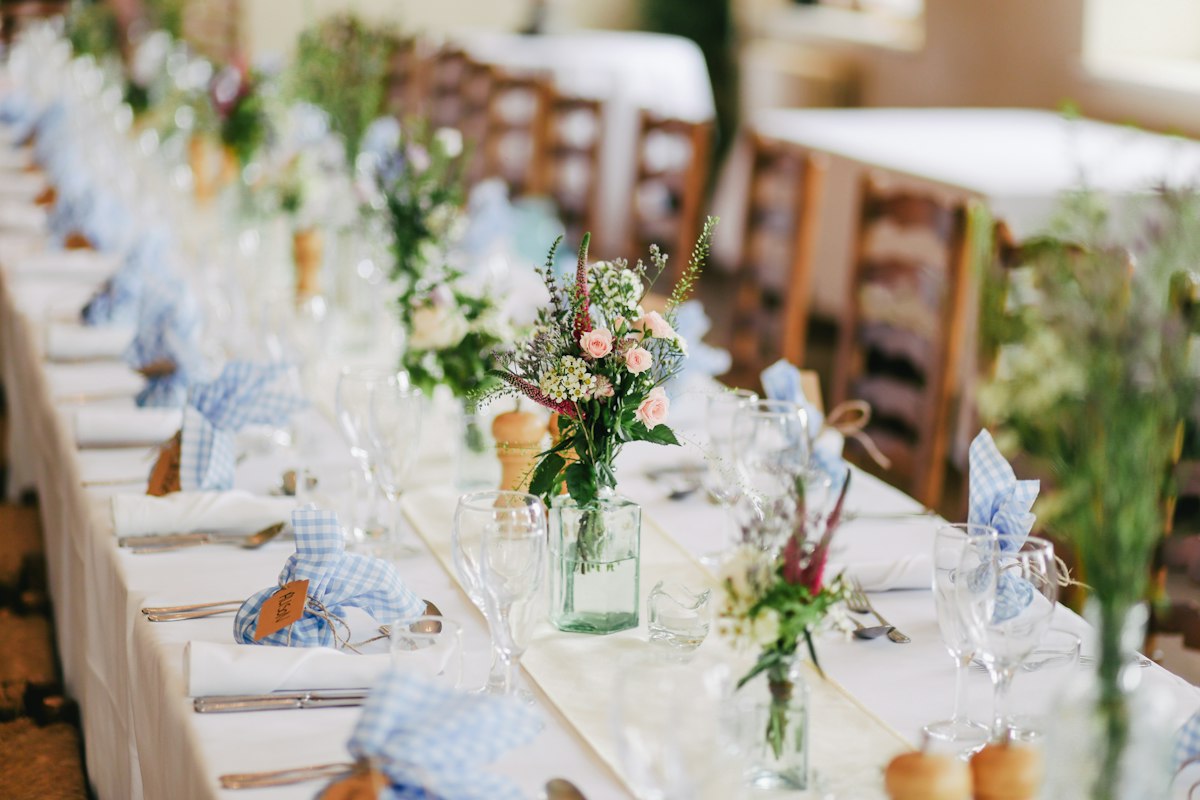
Wedding Catering with Indian Food: A Growing Trend
Indian wedding catering has gone mainstream in the UK. From intimate receptions to grand affairs, curry is the new wedding feast.
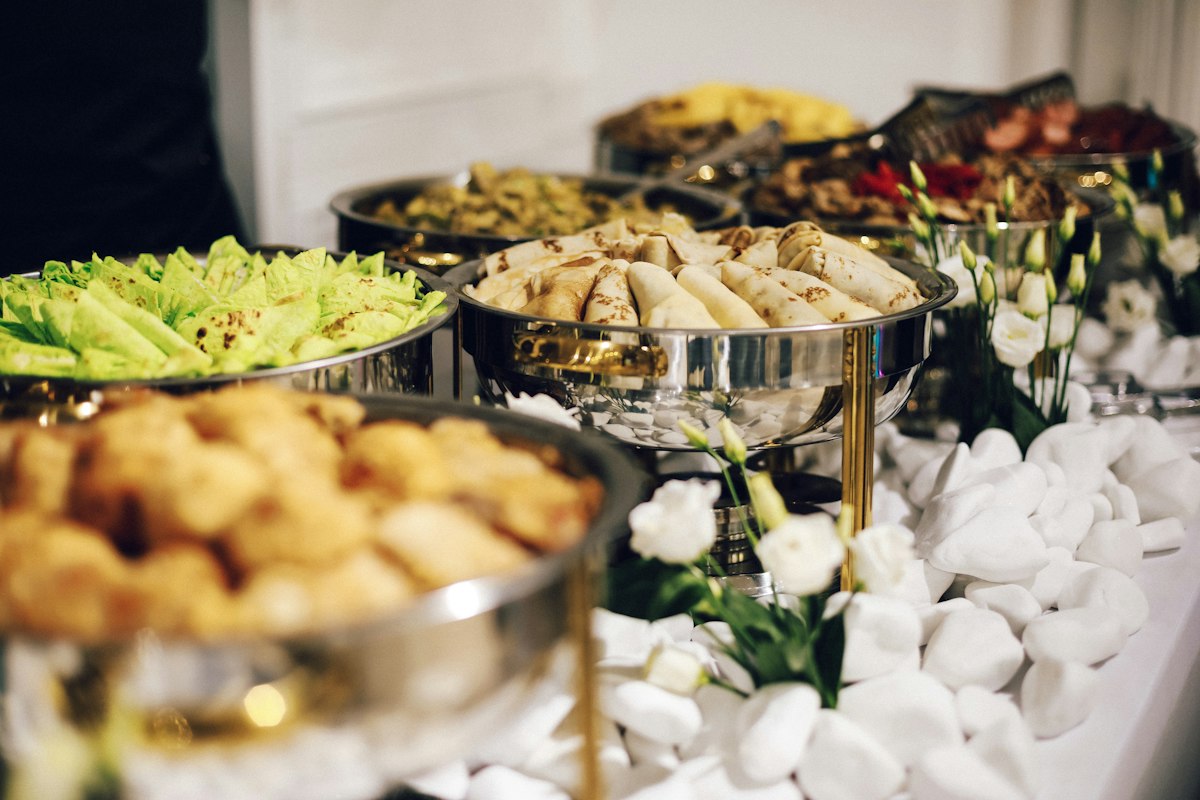
Catering for Large Events: A Curry Restaurant Guide
Taking your curry off-site for events is a smart revenue stream. But large-scale catering has its own challenges and rules.

EPOS Systems Compared for Indian Restaurants
The right EPOS system does more than take payments. Compare the top options for curry restaurants by features, cost, and value.