
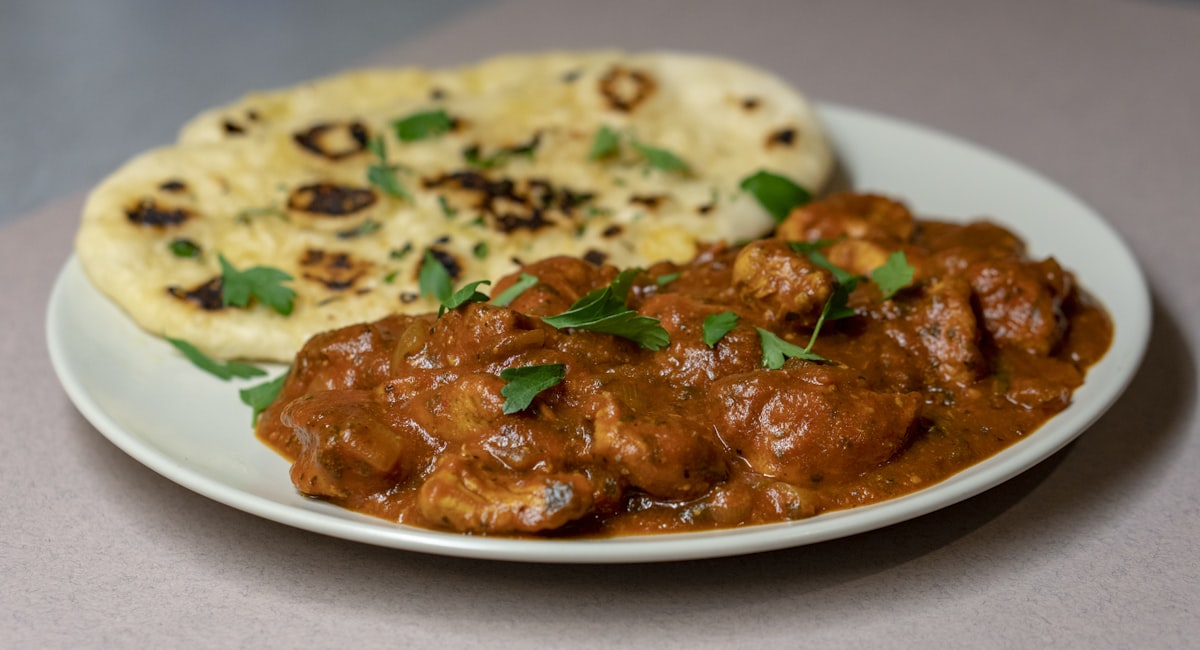
Hyderabadi Dum Biryani: The Kacchi Method Decoded
Lift the lid on a properly made Hyderabadi biryani and the room changes. Steam carries fried onions, mint, ghee and saffron all at once, and the rice underneath shifts from white at the top to deep gold and meat-stained at the bottom. This is not a pilaf with curry stirred through it. It is a dish engineered around a single, slightly nerve-wracking idea: that raw, marinated meat and par-cooked rice, sealed together over gentle heat, will finish at exactly the same moment. Get the balance right and you have one of the great cooked dishes of the subcontinent.
Kacchi versus pakki: two roads to biryani
Biryani splits into two broad families. In the pakki (cooked) method, the meat is fully braised into a gravy first, then layered with rice and briefly steamed. It is forgiving and common in many UK restaurant kitchens because the timing is relaxed. The Hyderabadi classic, though, is kacchi (raw): the meat goes into the pot uncooked, buried beneath rice that is only boiled to roughly seventy per cent. Everything then cooks together under a sealed lid. The reward is depth. The meat's juices, spice and marinade are driven up into the rice rather than mixed in, so the grains taste of the dish from the inside out.
The marinade does the heavy lifting
Because the meat never sees a separate browning stage, the marinade carries the flavour and the tenderising. Mutton or goat on the bone is traditional; lamb shoulder works beautifully and suits British tastes. The base is thick yoghurt, which both seasons and gently breaks down the meat, loosened with ginger-garlic paste, red chilli, turmeric and a warm garam masala leaning on green cardamom, cloves, cinnamon and mace. Generous browned onions, the famous birista, are crushed in for sweetness and colour. Fresh mint and coriander go in by the handful, along with lemon juice and salt.
- Marinate for several hours, ideally overnight, so the yoghurt has time to work.
- Don't skimp on the birista; slowly fried onions cooked to a deep amber give the dish its signature sweet-savoury backbone.
- A spoon of raw papaya paste is the classic tenderiser for tougher goat, though good lamb rarely needs it.
Rice that is deliberately underdone
Long-grain aged basmati is the only sensible choice. Aged rice has lost surface moisture, so the grains cook firm and separate rather than turning to porridge. Soak it for half an hour, then boil in heavily salted water spiked with whole spices, a little oil and sometimes a splash of lemon. The crucial discipline is to drain it early, while the grain still has a chalky core. It needs to finish cooking on the steam from the meat below, so par-boiling it fully now means a mushy biryani later. Many cooks split the rice into two batches and tint one with saffron to build the layered look.
Layering and the all-important seal
Assembly happens in a heavy, wide-based handi. The marinated meat, with its marinade, goes flat across the bottom. The drained rice is piled on top and never stirred in. Over the rice go the finishing touches that define the dish: saffron steeped in warm milk for colour and that hay-sweet aroma, a scatter of more mint and birista, knobs of ghee, and sometimes a few drops of kewra (screwpine) or rose water for fragrance.
Then comes the dum. The lid is sealed to the pot with a rope of stiff dough, the technique called purdah, so no steam escapes. Trapped vapour circulates, cooking the meat in its own moisture and forcing aromatic steam up through the rice. A traditional touch is to place hot coals on the lid as well, so heat comes from above and below at once. The pot is cooked over a very low flame, often with a flat tava underneath to diffuse the heat and protect the base from catching.
Reading the dish without opening it
The hardest part of kacchi biryani is trusting it. You cannot peek without breaking the seal and losing the steam you worked to build. Cooks learn to read the pot instead: the dough cap firms and colours, and a heady aroma starts escaping at the edges roughly when the meat is done. Total dum time depends on the cut, but a generous slow cooking lets the raw meat reach tenderness just as the rice finishes. When you finally crack the seal, you fold the biryani gently from the base upward, lifting the meat and the darker, juice-soaked rice into the paler grains on top.
How UK kitchens approach it
True kacchi biryani is demanding for a busy service, so many British curry houses default to the pakki method or to bulk-cooked versions held warm. Where you find a restaurant advertising dum biryani sealed to order, it is usually worth the wait it asks of you. At home the method is very achievable: a heavy casserole with a tight lid stands in for the handi, a foil-and-dough collar makes the seal, and the lowest gas ring with a heat diffuser mimics slow coals. Serve it the Hyderabadi way, with a cooling mirchi ka salan or a simple raita to set off the spice, and resist the urge to drown it in extra sauce. A well-made dum biryani is already a complete plate, every grain doing its job.
Related Articles
Shorshe Ilish: The Bengali Art of Hilsa in Mustard Gravy
Shorshe ilish marries the oily, intensely flavoured hilsa fish with a sharp mustard gravy in a dish that sits at the very heart of Bengali identity. Here is how it is built, why the bones matter, and how to tame the bitterness of the mustard.

Kosha Mangsho: How Bengalis Slow-Cook Mutton to Mahogany
Kosha mangsho is Bengal's deep, dark, celebratory mutton curry, coaxed to a mahogany sheen through slow reduction rather than added colour. This is the bhuna-style technique behind the wedding-and-festival classic, and how to serve it with luchi.

Chingri Malai Curry: Bengal's Prawn and Coconut Showpiece
Chingri malai curry pairs plump prawns with a silky, gently spiced coconut gravy in one of Bengal's grandest dishes. We trace its possible Malay roots, explain how to pick the right prawns, and share the technique that keeps the coconut milk from splitting.