
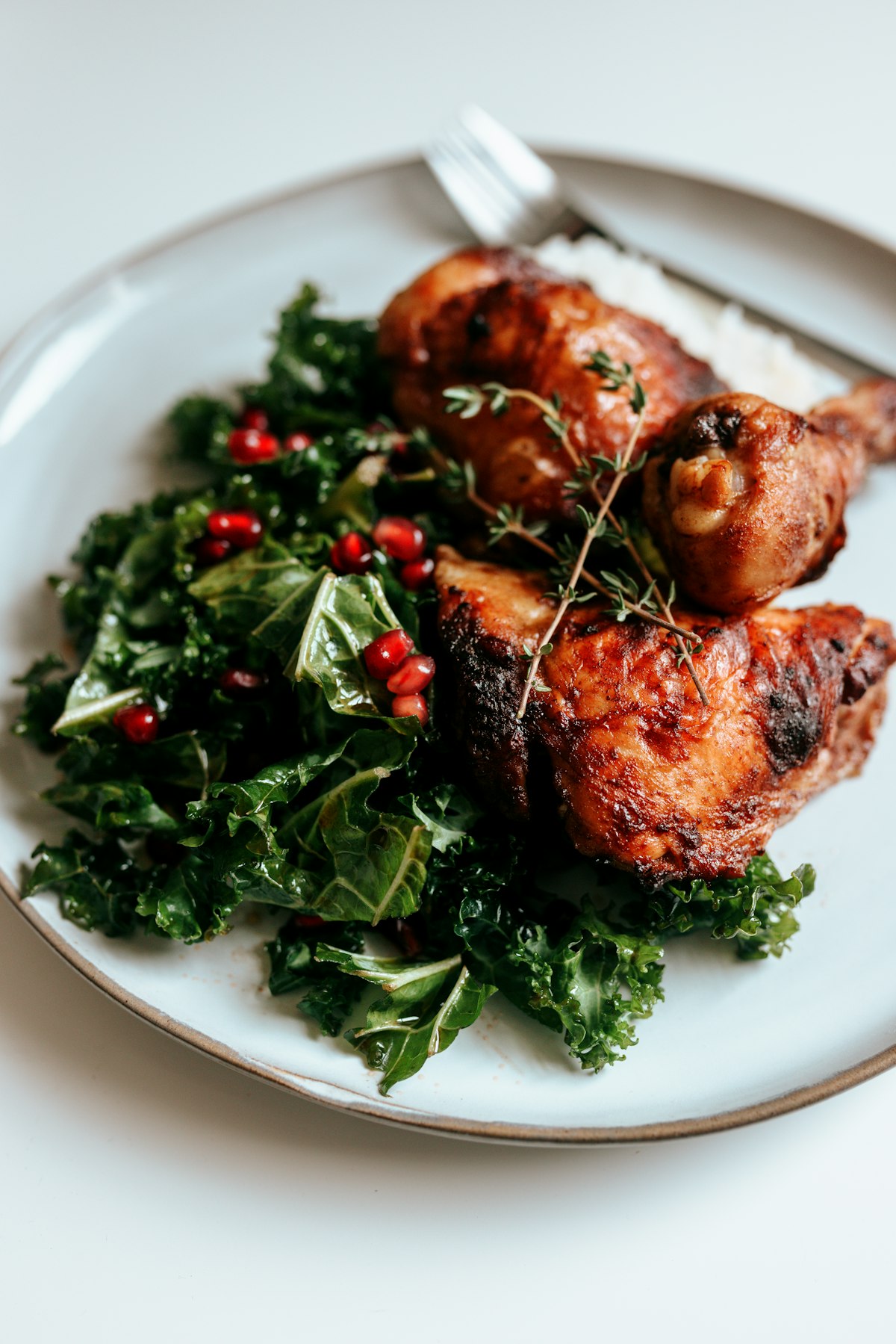
Morog Polao: Dhaka's Festive Chicken Pulao for Weddings and Guests
There is a dish in the Bangladeshi repertoire that signals welcome more clearly than almost any other. When a Dhaka family wants to honour a guest, mark a small celebration, or feed a wedding crowd without the heavy spice of a kacchi biryani, they reach for morog polao. The name is plain enough, morog meaning chicken and polao meaning pulao, but the dish itself is anything but ordinary. Fragrant, faintly sweet, glossy with ghee and tender with milk-cooked chicken, it is the food of hospitality, the rice you cook when you want someone to feel looked after.
A Dish Built for Occasions
Morog polao occupies a particular social space in Bangladesh. It is more special than everyday rice, yet less heavy and less labour-intensive than a full layered biryani, which makes it ideal for the in-between moments that fill family life: a daughter visiting with her in-laws, a religious gathering, a small engagement party, or the wedding feasts where it is cooked in vast degh pots to feed hundreds. In Old Dhaka especially, morog polao is a benchmark dish, and a cook's reputation can rest on how well they make it.
Part of its appeal is balance. The flavour is rich but not fiery, aromatic but not overpowering. Children eat it happily; elders approve of its gentleness. It pleases a whole table, which is exactly what a celebration dish needs to do.
The Spice Profile: Aromatic, Mild and Slightly Sweet
The character of morog polao comes from warm whole spices and dairy rather than from chilli heat. A traditional pot leans on:
- Green cardamom, cinnamon and cloves bloomed in ghee
- Bay leaves, black peppercorns and sometimes mace and nutmeg
- Ginger and garlic paste, fried down to mellow sweetness
- A little ground white pepper and, in some homes, a pinch of sugar
- Milk and ghee, the signature enrichments that define the dish
That gentle sweetness, sometimes from added sugar, sometimes simply from milk, slow-cooked onions and ghee, is one of the most distinctive features. It is not a dessert-sweet; it is a rounded, savoury richness with a soft edge that distinguishes morog polao from sharper, spicier rices. Fragrant rices such as the slender chinigura or kalijira in Bangladesh, or basmati elsewhere, carry the aromatics beautifully.
How It Is Cooked
The method shares the one-pot logic of a pulao rather than the layered, sealed dum of a biryani. Chicken pieces, often bone-in for flavour, are cooked with ginger, garlic, whole spices and onions, sometimes with a splash of milk to keep the meat tender and pale rather than browned dark. The chicken is part-cooked in this aromatic base, then the soaked rice is added along with measured stock or milk-enriched liquid, brought to the boil, and steamed gently on a low flame until the grains are separate and glossy.
Crisp fried onions (beresta) are stirred through and scattered on top, lending sweetness and texture. Many cooks add a finishing touch of warm milk infused with cardamom, a little kewra or rose water, and sometimes a scatter of fried cashews, raisins or boiled eggs for a wedding-grade version. The whole pot is rested before serving so the flavours settle and the rice firms up. The aim is pale, golden, separate grains and meltingly soft chicken, never a heavily browned or fiery finish.
Morog Polao Versus Biryani
British diners often use biryani as a catch-all term for any spiced meat-and-rice dish, so it is worth drawing the line clearly. Biryani, in its classic kacchi form, layers marinated raw or par-cooked meat with par-cooked rice and finishes by dum, sealed and steamed, often richer, spicier and more elaborate, sometimes with potatoes, fried onions and saffron. Morog polao is a one-pot pulao: milder, milkier, gently sweet, lighter on chilli, and quicker to bring together. Where biryani is the grand centrepiece, morog polao is the warm, generous host. Both are festive, but they speak in different registers.
How UK Kitchens Handle It
In Britain, morog polao tends to live in homes and at community events rather than on standard curry-house menus, which lean towards the dishes British diners learned to order decades ago. You are far more likely to encounter it at a British Bangladeshi wedding, an Eid lunch or a family gathering than at a high-street takeaway. That said, as restaurants here grow more confident in showcasing genuine regional Bangladeshi cooking, morog polao increasingly appears as a weekend special or a catering option, often alongside borhani, the spiced yoghurt drink traditionally served with it.
Making It at Home
For the home cook in the UK, morog polao is more achievable than a full biryani and just as impressive. A few tips drawn from how it is traditionally made:
- Use bone-in chicken for flavour, and keep the colour pale by avoiding hard browning
- Fry your onions properly for beresta; it is worth the effort for sweetness and aroma
- Cook the rice in the spiced, milk-enriched liquid, get the ratio right, and don't over-stir
- Finish with cardamom-infused warm milk and a little ghee for that signature gloss
- Rest the pot, covered, before fluffing and serving
Serve it with borhani or a cooling raita, a sharp salad of onion and cucumber, and perhaps a simple korma alongside. Morog polao is hospitality you can taste: a pot of gentle, fragrant rice that says, more eloquently than words, that a guest is welcome at the table.
Related Articles
Shorshe Ilish: The Bengali Art of Hilsa in Mustard Gravy
Shorshe ilish marries the oily, intensely flavoured hilsa fish with a sharp mustard gravy in a dish that sits at the very heart of Bengali identity. Here is how it is built, why the bones matter, and how to tame the bitterness of the mustard.

Kosha Mangsho: How Bengalis Slow-Cook Mutton to Mahogany
Kosha mangsho is Bengal's deep, dark, celebratory mutton curry, coaxed to a mahogany sheen through slow reduction rather than added colour. This is the bhuna-style technique behind the wedding-and-festival classic, and how to serve it with luchi.

Chingri Malai Curry: Bengal's Prawn and Coconut Showpiece
Chingri malai curry pairs plump prawns with a silky, gently spiced coconut gravy in one of Bengal's grandest dishes. We trace its possible Malay roots, explain how to pick the right prawns, and share the technique that keeps the coconut milk from splitting.