

Restaurant Accounting Basics Every Owner Must Know
You Didn't Get Into Restaurants for the Spreadsheets
We get it. You opened a curry restaurant because you love food, you love hospitality, and you wanted to build something of your own. Nobody dreams of poring over profit and loss statements at midnight. But here's the uncomfortable reality: the owners who understand their numbers survive, and the ones who don't become a statistic. Roughly 60% of UK restaurants close within three years, and financial mismanagement is the leading cause.
The good news is you don't need to become an accountant. You just need to understand a handful of key concepts and check them regularly. Think of it like your car's dashboard — you don't need to know how the engine works, but you do need to notice when the warning light comes on.
The Profit and Loss Statement: Your Monthly Report Card
Your P&L tells you whether you're making money or losing it. Here's the structure, using realistic numbers for a curry restaurant turning over £350,000 per year:
Revenue
Everything coming in — dine-in, takeaway, delivery, drinks. For our example: £350,000
Cost of Goods Sold (COGS)
What you spend on food and drink ingredients. Target: 28-32% of revenue.
Our example: £105,000 (30%)
Gross Profit
Revenue minus COGS. This is what you have left to pay for everything else.
Our example: £245,000 (70%)
Operating Expenses
- Staff costs (wages, NI, pensions): £112,000 (32%)
- Rent and rates: £36,000 (10.3%)
- Utilities: £18,000 (5.1%)
- Insurance: £4,000
- Marketing: £8,000
- Repairs and maintenance: £6,000
- Professional fees (accountant, legal): £5,000
- Consumables (cleaning, packaging): £7,000
- Technology (EPOS, software): £3,000
- Depreciation: £8,000
Total operating expenses: £207,000
Net Profit
Gross profit minus operating expenses: £38,000 (10.9%)
A net profit margin of 8-12% is considered healthy for a curry restaurant. Below 5% and you're vulnerable to any unexpected cost.
The Key Ratios You Must Track
Food Cost Percentage
COGS divided by revenue. Target: 28-32%. If this creeps above 35%, you're either overportioning, suffering waste, or your supplier prices have crept up without you adjusting menu prices.
Labour Cost Percentage
Total staff costs (including your own drawings if you're working in the business) divided by revenue. Target: 28-35%. Post-National Living Wage increases in 2025-26, many curry restaurants are running at 32-35%.
Prime Cost
Food cost plus labour cost combined. This is the single most important number in restaurant accounting. Target: under 65%. If your prime cost is 68% or above, you're in danger territory — there simply isn't enough left to cover rent, utilities, and leave any profit.
Occupancy Cost Ratio
Rent plus rates plus insurance divided by revenue. Target: under 12%. Over 15% and your premises are too expensive for your revenue level.
VAT: The Unavoidable Complexity
If your turnover exceeds £90,000 (the 2026 threshold), you must register for VAT. Most curry restaurants are well above this. You have two main options:
Standard VAT
Charge 20% on sales, reclaim VAT on purchases. Requires detailed record-keeping of all purchases. Effective rate depends on your input VAT claims.
Flat Rate Scheme
Pay a fixed percentage of gross turnover to HMRC (12.5% for catering services) and don't reclaim input VAT. Simpler admin, but whether it saves money depends on how much input VAT you'd otherwise reclaim. For restaurants with relatively low VAT-able purchases (much of your food cost is zero-rated), the flat rate scheme often works out more expensive. Get your accountant to run the numbers both ways.
Making Tax Digital (MTD)
HMRC's MTD programme requires businesses to keep digital records and submit VAT returns using compatible software. If you're still using paper records and spreadsheets, you'll need to move to a system like Xero, QuickBooks, or FreeAgent. Most accountants can set this up for you, and the software costs £12-35 per month.
When to Hire an Accountant
Honestly? From day one. A good restaurant accountant costs £150-300 per month and saves you far more than that in tax efficiency, compliance penalties avoided, and financial clarity. Look for one who specialises in hospitality — they'll understand your specific challenges around cash handling, tips, and seasonal fluctuations.
At minimum, your accountant should produce monthly management accounts, handle your VAT returns, prepare your annual accounts and corporation tax return, and be available for ad hoc questions. If they're only doing your year-end accounts, you're getting a fraction of the value.
For the practical side of managing your daily finances, our guide on cash flow management covers the day-to-day. And if you're still in the planning stages, our cost breakdown of opening a curry restaurant gives you realistic numbers to build your financial model around.
The 30-Minute Weekly Review
Every Monday morning, spend 30 minutes looking at: last week's revenue versus the same week last year, your current bank balance, any supplier invoices due this week, and your food cost for the previous week. That's it. Thirty minutes of financial attention per week puts you ahead of 80% of restaurant owners. Your business — and your accountant — will thank you for it.
Related Articles

Wedding Catering with Indian Food: A Growing Trend
Indian wedding catering has gone mainstream in the UK. From intimate receptions to grand affairs, curry is the new wedding feast.
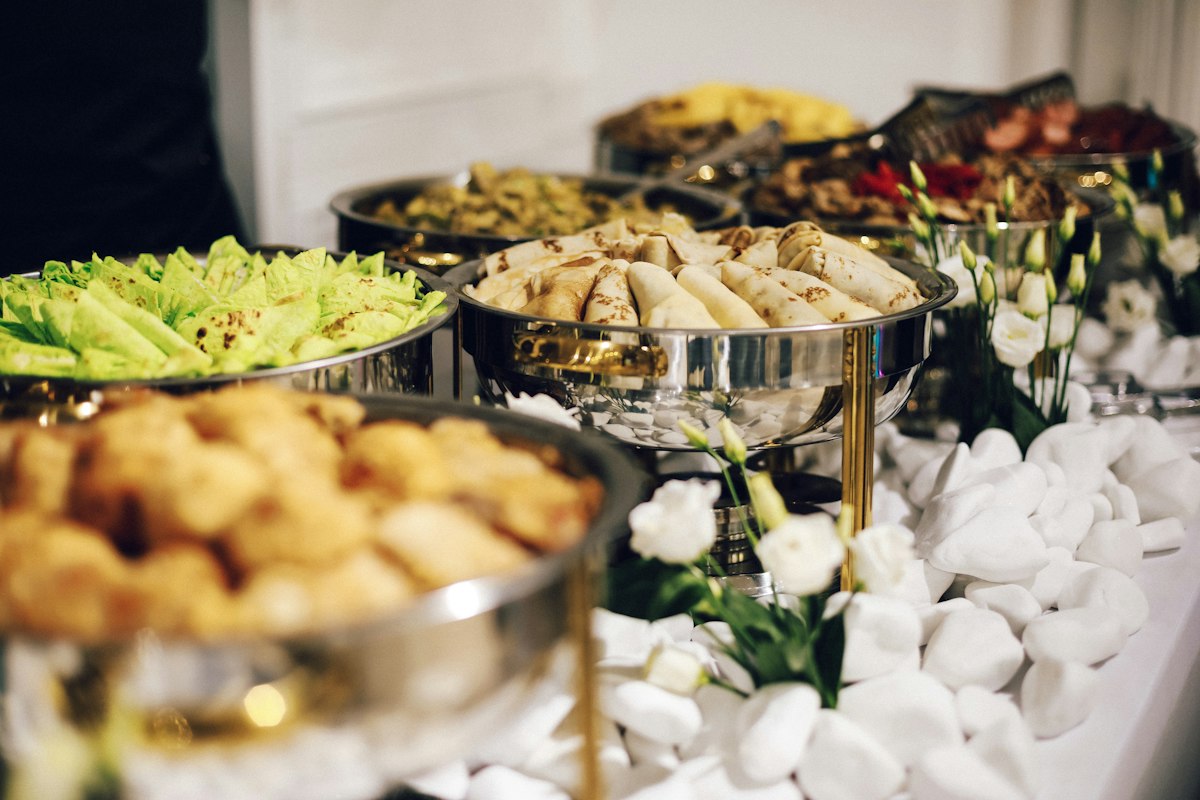
Catering for Large Events: A Curry Restaurant Guide
Taking your curry off-site for events is a smart revenue stream. But large-scale catering has its own challenges and rules.

EPOS Systems Compared for Indian Restaurants
The right EPOS system does more than take payments. Compare the top options for curry restaurants by features, cost, and value.