
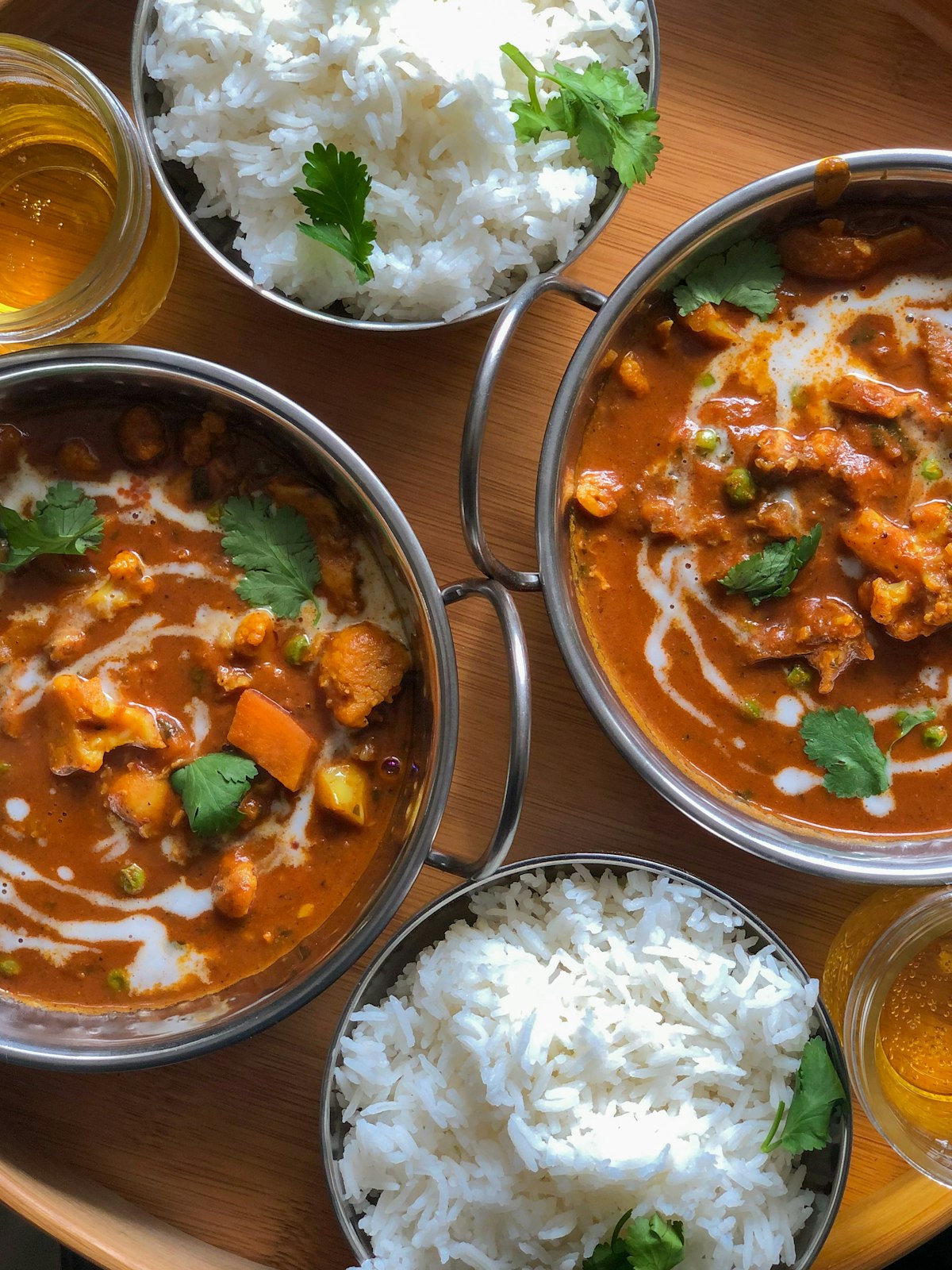
Secret to Creamy Korma Without Using Cream
The Great Korma Misconception
Walk into most British curry houses and order a korma, and you'll get a sweet, pale sauce swimming in double cream. It's comforting, sure — but it's about as authentic as a chocolate fountain at a Mughal banquet. The real korma, the one that's been perfected over centuries in the royal kitchens of northern India, never had cream anywhere near it.
We've spoken to dozens of chefs across the UK who trained in India, and they all say the same thing: authentic korma gets its luxurious texture from cashew paste, slow-cooked onions, and carefully tempered yoghurt. The cream shortcut came about in British restaurants during the 1970s when owners needed to produce rich sauces quickly and cheaply. It worked commercially, but something was lost in translation.
The Holy Trinity: Cashews, Onions, and Yoghurt
Here's what actually makes a proper Mughlai korma so impossibly silky. First, you've got cashew paste — raw cashews soaked for a couple of hours, then blended with a splash of water into a smooth, ivory-coloured cream. This provides body and richness without the heaviness of dairy cream. Second, there's fried onion paste (birista) — thinly sliced onions fried until deeply golden, then ground down. This adds natural sweetness and a nutty depth that sugar or cream simply cannot replicate. Third, full-fat yoghurt tempered into the sauce gradually, stirred in a tablespoon at a time so it doesn't split.
The Full Recipe
You'll need the following for a korma that serves four generously:
- 600g chicken thighs (boneless, skin off), cut into chunks
- 80g raw cashews, soaked in warm water for 2 hours
- 3 large onions — 2 thinly sliced for frying, 1 roughly chopped
- 150g full-fat natural yoghurt
- 4 green cardamom pods, lightly crushed
- 2 black cardamom pods
- 4cm cinnamon stick
- 4 cloves
- 1 bay leaf
- 1 tsp white pepper
- ½ tsp ground mace
- Good pinch of saffron, soaked in 2 tbsp warm milk
- 2 tbsp ghee plus vegetable oil for frying onions
- Salt to taste
Method: Take Your Time
- Fry the two thinly sliced onions in oil over medium heat until deeply golden — this takes a good 20 minutes. Don't rush it. Drain on kitchen paper, then blitz to a smooth paste with a splash of water.
- Drain the cashews and blend them into a fine paste. Set aside separately from the onion paste.
- In a heavy-bottomed pan, heat the ghee. Add the whole spices — cardamom, cinnamon, cloves, bay leaf — and let them sizzle for 30 seconds until fragrant.
- Add the roughly chopped onion and cook until soft and translucent, about 8 minutes.
- Add the chicken pieces, season with salt, white pepper, and mace. Cook on high heat for 3-4 minutes, turning the pieces to seal them.
- Turn the heat right down. Add the yoghurt one tablespoon at a time, stirring continuously between each addition. This is the step most people get wrong — dump it all in at once and it'll curdle.
- Stir in the fried onion paste and the cashew paste. Add 100ml warm water, cover, and simmer gently for 25-30 minutes until the chicken is tender and the sauce is thick and glossy.
- Finish with the saffron milk, stir through, and let it sit off the heat for 5 minutes before serving.
Why Restaurants Use Cream Instead
It's not malice — it's economics. Soaking and grinding cashews, frying onions for twenty minutes, tempering yoghurt spoonful by spoonful — none of that works when you've got forty covers to push out on a Saturday night. Double cream is instant richness. Squirt it in, stir, done. At around £1.50 a litre versus £8-10 for cashews, the maths is obvious too.
But here's the thing: the restaurants that do it properly stand out. Customers might not know why the korma tastes different, but they notice. If you're interested in other dishes that benefit from the authentic approach, have a look at our guide on cooking butter chicken like a restaurant chef.
Tips for Getting It Perfect at Home
Use chicken thighs, never breast. Thighs stay moist during the slow simmer and have more flavour. If you want a vegetable korma, paneer and mixed vegetables work beautifully — just reduce the cooking time.
The white pepper and mace are non-negotiable. These are what separate a real korma from generic curry sauce. Black pepper is too harsh here, and mace gives that distinctive warm, floral note you can't get from anything else.
Don't skip the saffron. Yes, it's expensive — about £5-8 for a small tin — but you're using a tiny pinch and it transforms the dish. Look for Iranian or Kashmiri saffron from specialist shops rather than supermarket versions, which are often weak.
For more on building authentic flavour profiles, check out our essential spice guide for authentic Indian cooking. Once you've made a proper cashew-based korma, the cream version will never quite satisfy again.
The Verdict
A proper korma takes longer, costs a bit more in ingredients, and requires patience. But the result is transformative — a sauce that's rich without being heavy, aromatic without being overpowering, and silky in a way that cream simply cannot achieve. Give it a go this weekend. Your taste buds will thank you.
Related Articles
Shorshe Ilish: The Bengali Art of Hilsa in Mustard Gravy
Shorshe ilish marries the oily, intensely flavoured hilsa fish with a sharp mustard gravy in a dish that sits at the very heart of Bengali identity. Here is how it is built, why the bones matter, and how to tame the bitterness of the mustard.
Kosha Mangsho: How Bengalis Slow-Cook Mutton to Mahogany
Kosha mangsho is Bengal's deep, dark, celebratory mutton curry, coaxed to a mahogany sheen through slow reduction rather than added colour. This is the bhuna-style technique behind the wedding-and-festival classic, and how to serve it with luchi.

Chingri Malai Curry: Bengal's Prawn and Coconut Showpiece
Chingri malai curry pairs plump prawns with a silky, gently spiced coconut gravy in one of Bengal's grandest dishes. We trace its possible Malay roots, explain how to pick the right prawns, and share the technique that keeps the coconut milk from splitting.