
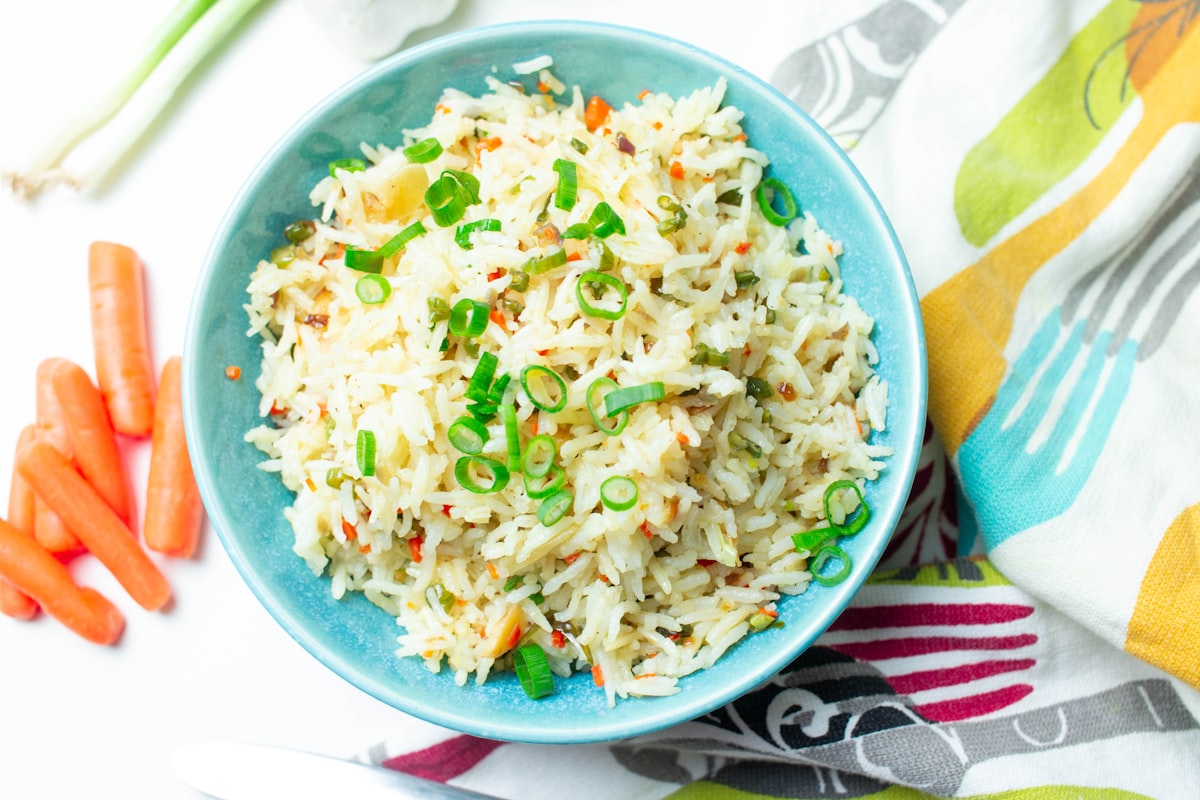
Sella vs Basmati: Choosing the Right Rice for Your Biryani
Walk down the rice aisle of any UK Asian supermarket and you face a quiet decision that will make or break your biryani. On one shelf, sacks of aged basmati promising perfume and length. On another, golden-tinged sella rice, prized for not turning to mush. Both are basmati at heart, but they behave very differently in the pot, and choosing well is the difference between a biryani of distinct, fragrant grains and a clumpy, broken disappointment.
What Makes Basmati, Basmati
Basmati is a long-grain rice grown in the foothills of the Himalayas across northern India and Pakistan, and its defining traits are extreme grain elongation when cooked and a distinctive floral aroma, the very word basmati means something like fragrant. A good basmati grain nearly doubles in length while staying slender and separate, and it carries that nutty, almost popcorn-and-pandan perfume that is inseparable from a great biryani or pulao. This is the rice of choice when fragrance and presentation are the priority.
Why Ageing Matters
Here is the detail many home cooks miss: basmati improves with age. Freshly harvested basmati is higher in moisture and tends to cook up sticky and prone to breaking. Aged basmati, matured for one, two or even several years, has lost moisture and developed its starch structure, so the grains cook firmer, longer and more separate, with a more pronounced aroma. This is why premium bags proudly advertise their ageing. For biryani especially, where you want every grain distinct, well-aged basmati is worth seeking out, and it is part of why restaurant biryani so often outperforms a rushed home version.
What Sella Actually Is
Sella, sometimes labelled parboiled basmati, is basmati that has been partially boiled in the husk before milling. The paddy is soaked, steamed and dried while still in its outer layers, a process that drives nutrients into the grain and, crucially, changes the starch so the cooked rice is firmer, less sticky and far more forgiving. Sella grains take on a characteristic pale golden hue, cook up firm and separate, and are remarkably resistant to overcooking and breaking.
That resilience is exactly why sella is the workhorse of so many commercial kitchens. When you are cooking biryani in large batches, holding it on heat, and serving it over a long service, a rice that refuses to turn to mush is enormously valuable.
The Dum Question: Why Sella Holds Up
Biryani is traditionally finished by dum, the slow steaming of layered par-cooked rice and curry under a sealed lid, often over a low flame or in the oven, so the rice absorbs aroma and finishes cooking gently. This is precisely where the two rices diverge.
- Sella shrugs off the prolonged heat of dum. Its parboiled starch keeps the grains firm and intact even after layering, steaming and resting, which makes it the reliable choice for restaurant-scale biryani and for cooks who want insurance against overcooking.
- Aged basmati rewards you with superior fragrance and a softer, more luxurious mouthfeel, but it is less forgiving. Overcook the par-boil, oversoak, or steam too long, and it can break or clump.
Put simply: choose sella for resilience and consistency, basmati for perfume and finesse. Many cooks split the difference, and some use a long-aged sella to get something of both worlds.
Soaking and Par-Boiling Targets
Whichever you choose, the par-boil before dum is where biryani is won or lost. The principle is the same: cook the rice only partway, so it finishes during the steaming.
- Rinse the rice in several changes of water until it runs clear, washing away loose surface starch that causes stickiness.
- Soak before cooking. Aged basmati typically wants around 20 to 30 minutes of soaking so the grains hydrate and elongate fully and cook evenly. Sella is tougher and benefits from a longer soak, often 30 minutes to an hour or more, because the parboiling makes it slower to take up water.
- Par-boil in plenty of salted, aromatic water (whole spices, bay, a little oil). For basmati, you are aiming for around 70 percent cooked, the grain bendable but with a firm, slightly raw core, so it can finish under dum without going soft. Sella usually needs a touch longer in the boil to reach that same workable, still-firm stage, and forgives you if you slightly overshoot.
- Drain promptly and layer while warm, then seal and dum so the grains finish in steam rather than water.
Buying Well in the UK
British Asian supermarkets and wholesalers carry a wide range, and a few habits help you buy smart. Look for clearly aged basmati when fragrance matters, and do not be put off by sella's golden tint, which is natural to the parboiling and not a sign of inferior grain. For everyday family biryani where you want a safety net, a good sella is a sensible buy; for a special-occasion biryani where aroma is everything, invest in well-aged basmati. Restaurants and caterers often keep both on hand, reaching for sella for volume and reliability and premium aged basmati for their signature dishes.
The Verdict
There is no single right answer, only the right rice for the biryani you want. If you prize foolproof, separate grains that survive heavy handling and long service, reach for sella. If you want the full, intoxicating perfume and the delicate elongation that defines a celebratory biryani, choose well-aged basmati and treat it with care. Either way, rinse thoroughly, soak properly, par-boil to a firm core, and finish on dum, and you will be rewarded with a biryani of grains that stand proud and apart.
Related Articles

Awadhi Dum Pukht: Cooking Sealed in a Handi Over Slow Coals
Dum pukht is the Lucknowi art of slow cooking food in a sealed pot so steam, fat and aroma are trapped rather than lost. Here is how the dough seal works, the dishes it perfected, and how to recreate the technique in a home kitchen.

Dhungar: The Charcoal-and-Ghee Smoking Trick That Adds Soul
Dhungar is the simple Indian smoking technique that uses a single live coal, a steel bowl and a spoon of ghee to give curries, dals and kebabs a tandoor-like depth at home. Here is how it works, where to use it, and how to get clean smoke without bitterness.

Seekh Kebab on the Skewer: Getting Char, Bind and Juiciness Right
A great seekh kebab is charred outside, juicy inside, and stays on the skewer. The secrets are fat ratio, controlling moisture from raw onion, a proper kneading for bind, and a fierce sear. Here's how restaurants do it and where home cooks go wrong.