
Suppliers
Articles about suppliers in the UK curry industry
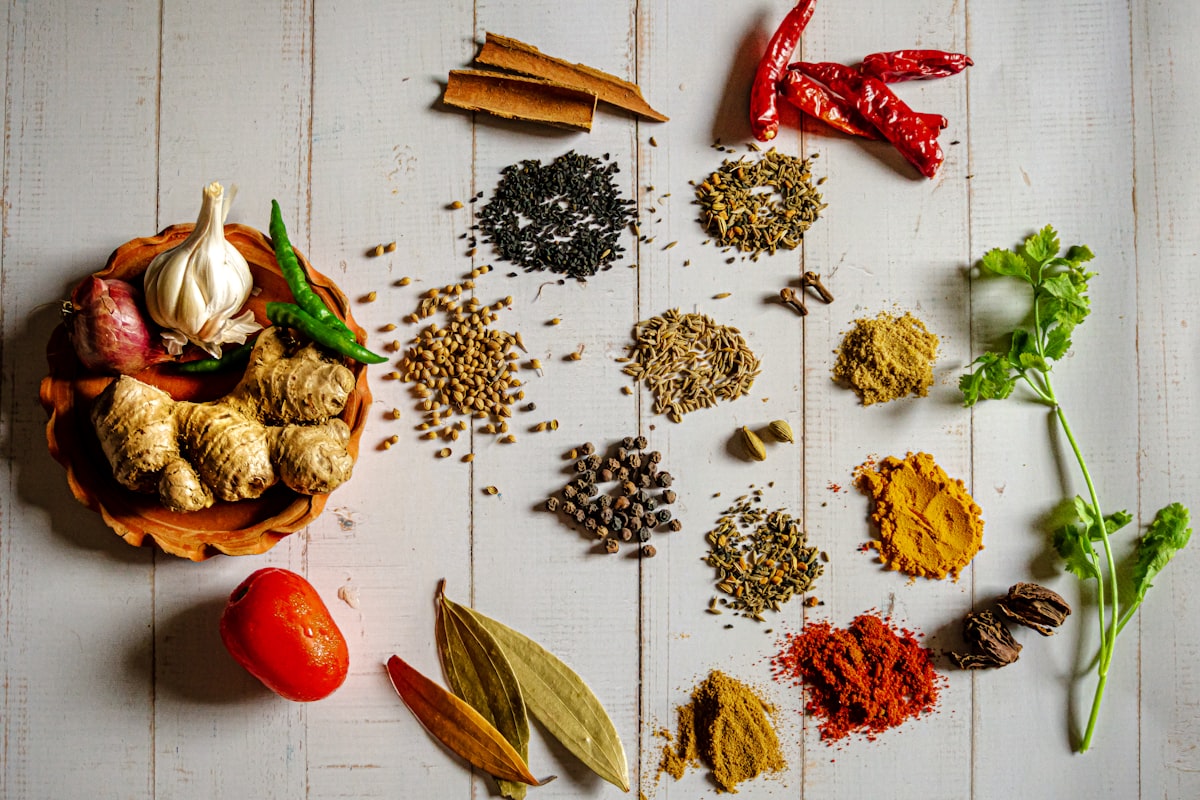
Panch Phoron: Mastering Bengal's Five-Spice Tempering
Panch phoron is the Bengali five-spice blend used whole, never ground, and crackled in hot oil to transform dals and vegetables. Here are the five seeds, the reason they stay intact, and how to nail the tempering every time.

Asafoetida (Hing): The Fermented Resin That Powers Jain Kitchens
Asafoetida, or hing, is a pungent resin that transforms in hot oil into a savoury, almost oniony depth, which is why it sits at the heart of Jain and onion-free cooking. Here is how to bloom it correctly, why it soothes dals, and how to choose pure over compounded hing.

Mustard Oil: The Pungent Soul of Bengali and Bihari Cooking
Mustard oil gives Bengali and Bihari food its unmistakable sharp, nose-tingling kick, but it needs to be heated to smoking point before use to mellow that raw bite. Here is why you smoke it, how it powers fish and pickles, and the curious 'external use only' label found on UK bottles.

Ghee: Making Cultured Brown Butter the Indian Way
Ghee is butter taken to its nutty, golden, shelf-stable conclusion, and the traditional cultured bilona method gives it a depth no shortcut can match. Here is how ghee is made from malai to clarified gold, why the caramelisation point matters, and how it defines tarka and mithai.

Kasuri Methi: The Dried Fenugreek Leaf That Finishes a Curry
Kasuri methi is the crushed dried fenugreek leaf that gives butter chicken and dal makhani their distinctive bittersweet, almost maple-like aroma. Here is how to use it, why it goes in at the end, and how to store it so it lasts.

Curry Leaves: The Tempering Herb of the South, Fresh vs Dried
Curry leaves have nothing to do with curry powder. This is the fragrant South Indian herb that spvutters in hot oil to flavour dals, sambars and chutneys, and a guide to using it fresh or dried and keeping a plant alive in the UK.

Tamarind and Jaggery: How India Builds Sweet-Sour Backbone
Tamarind brings the sour and jaggery brings the sweet, and together they give countless Indian dishes their addictive backbone. A practical guide to pulp versus concentrate, choosing your jaggery, and the dishes that depend on the pairing.

Kashmiri Chilli: Deep Red Colour Without the Burn
Kashmiri chilli is the mild, vividly red chilli behind those glossy restaurant-red gravies that look fierce but eat gentle. Here is how to use it, how to make your own degi mirch blend, and how to source the genuine article.

Black Cardamom: The Smoky Heart of Garam Masala
Black cardamom is the big, smoke-dried pod that gives slow-cooked North Indian dishes their savoury, campfire depth. Here is how it differs from green cardamom, when to bruise it or leave it whole, and its role in nihari, biryani and garam masala.

Saffron in the Indian Kitchen: Blooming Kesar for Biryani and Mithai
Saffron is the most precious spice in any Indian kitchen, but a pinch of threads only repays you if you bloom it properly. Here is how to toast, steep and judge kesar for golden biryani and fragrant mithai.
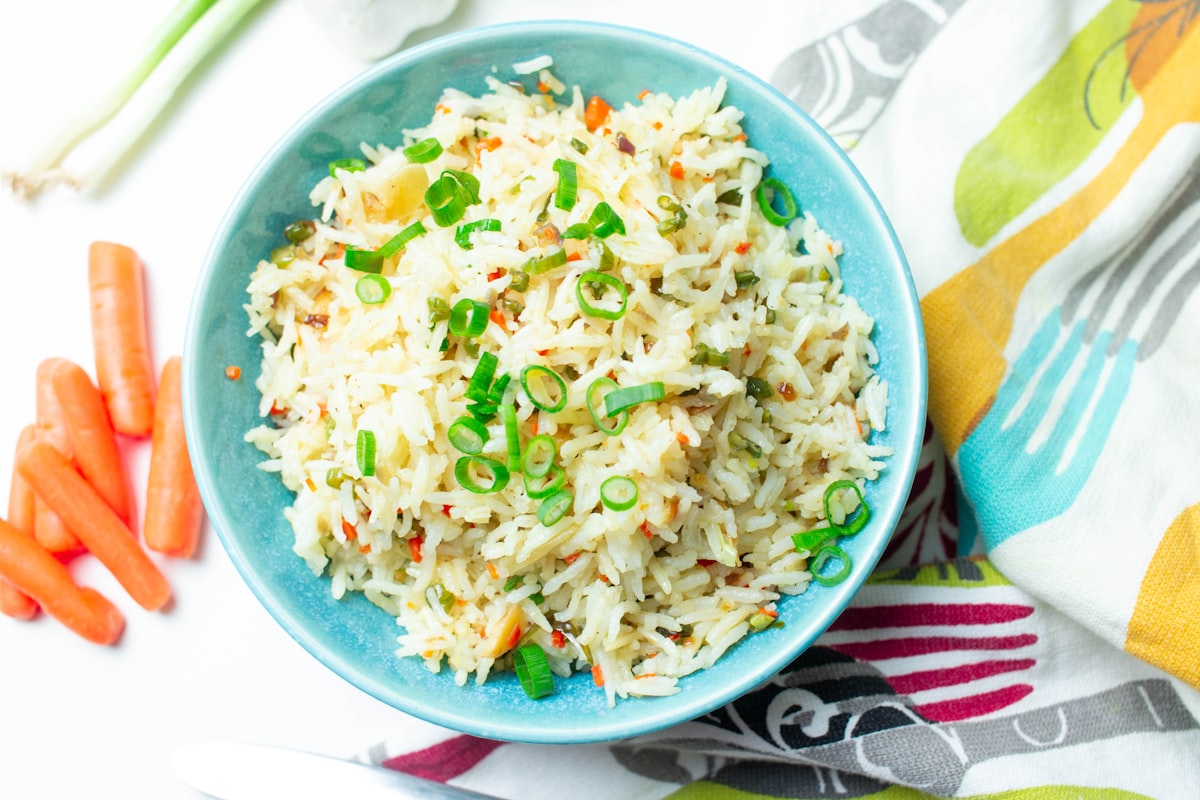
Sella vs Basmati: Choosing the Right Rice for Your Biryani
Parboiled sella rice holds its shape under the heat of dum, while aged basmati delivers fragrance and slender grains. This guide breaks down ageing, soaking and par-boiling targets so you pick the right rice for the biryani you want.

Kasundi: Bengal's Fermented Mustard Sauce and Why It Stings the Right Way
Kasundi is Bengal's pungent fermented mustard condiment, sun-cured and sharp enough to clear your sinuses, the perfect foil for fish fry and steamed vegetables. Here is its tradition, its bite, and how UK Bengali kitchens source or make it.