
Panch Phoron: Mastering Bengal's Five-Spice Tempering
Lift the lid on most Bengali and Bangladeshi kitchens and you will find a small jar of mixed whole seeds sitting close to the stove, ready to be tipped into hot oil at a moment's notice. This is panch phoron, the eastern subcontinent's signature five-spice blend, and it is one of those small things that quietly defines an entire regional cuisine. The name means, quite literally, five spices, and understanding it unlocks the warm, savoury, faintly bitter-sweet backbone of so many dals and vegetable dishes from Bengal, Bangladesh, Odisha and beyond.
The five seeds, exactly
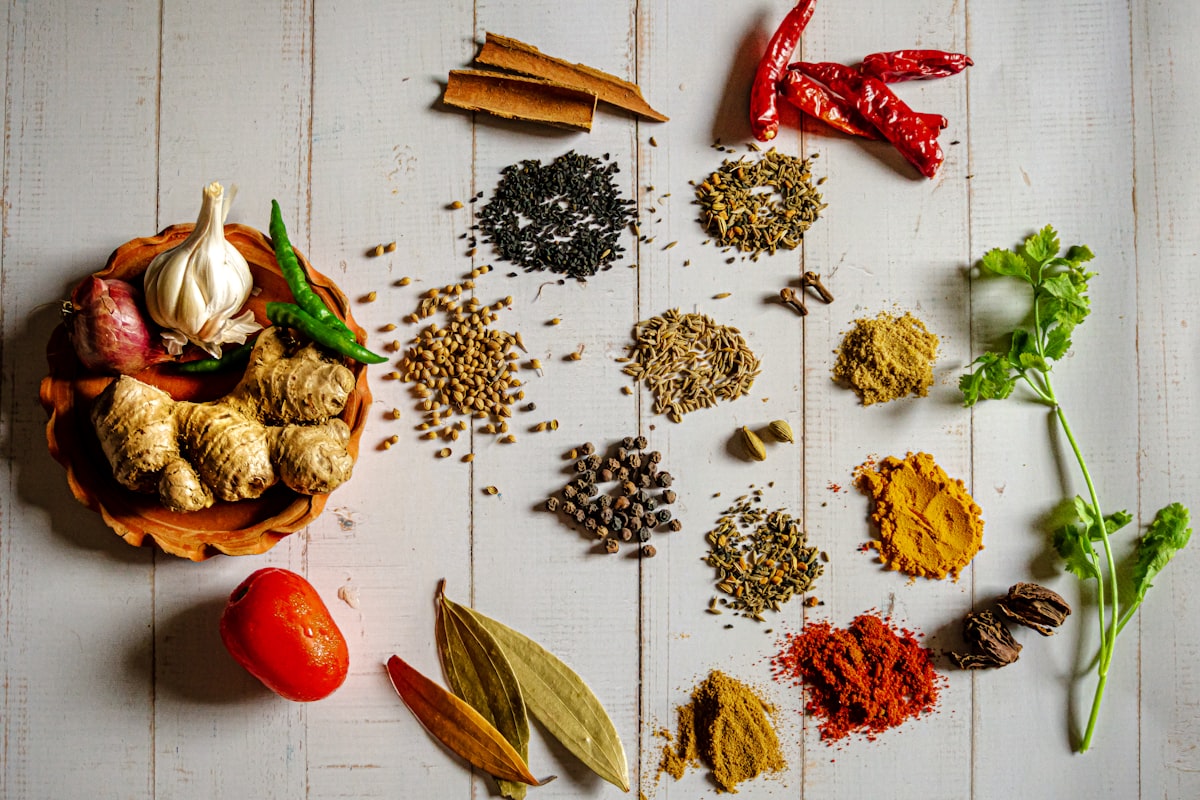
Unlike many spice blends, which vary endlessly from cook to cook, panch phoron is reassuringly specific. The classic Bengali version is made of equal parts of five whole seeds:
- Cumin (jeere) – earthy and warm, the familiar anchor of the blend.
- Fennel (mouri) – sweet and aniseed-like, lending a cooling, liquorice note.
- Fenugreek (methi) – the bitter element, golden and angular, used sparingly because it can dominate.
- Nigella (kalo jeere) – tiny matte-black seeds with a peppery, oniony bite, often wrongly called black onion seed.
- Radhuni or, more commonly, brown mustard or wild celery seed – the fifth seed varies by region. Authentic Bengali blends use radhuni, a small celery-like seed, though brown mustard is the widespread substitute outside Bengal.
The proportions matter. While most of the seeds appear in roughly equal measure, many cooks reduce the fenugreek slightly, because its bitterness is powerful and a heavy hand turns a dish acrid. That single adjustment is the difference between a balanced temper and an unpleasant one.
Why it is never ground
This is the cardinal rule, and the thing that most surprises cooks used to garam masala or curry powder: panch phoron is used whole. It is never ground into a powder. The entire point of the blend is the contrast and individuality of each seed. When the seeds hit hot oil and crackle, each one releases its aroma at a slightly different moment and retains its own distinct character, so a single mouthful might deliver a hit of sweet fennel, then a peppery nigella seed, then a warm note of cumin. Grinding would blur all of that into a muddy, undifferentiated paste and, worse, would let the bitter fenugreek overwhelm everything.
Leaving the seeds whole also means they stay scattered through the finished dish, little punctuation marks of flavour and texture, rather than dissolving into the background.
The art of the tempering
Panch phoron is almost always used as a tempering, known in Bengali as a phoron or in wider Indian cooking as a tadka or chhonk. The technique is simple but unforgiving, and timing is everything.
- Heat the oil, traditionally mustard oil for its pungency, until it is properly hot and just shimmering.
- Tip in the whole panch phoron and listen. The seeds should crackle and sputter within seconds, releasing their fragrance.
- Watch the colour. The moment the seeds darken a shade and the mustard or fenugreek begins to colour, the temper is ready.
- Move fast. Burnt fenugreek in particular turns viciously bitter, so the next ingredient, often a dried chilli, a bay leaf, then onions or vegetables, must go in before the seeds scorch.
The temper can be deployed in two ways. Often the seeds are crackled at the start, with the rest of the dish built on top of the perfumed oil. Sometimes, especially with dal, the temper is made separately in a little hot oil or ghee and poured over the finished dish at the end with a dramatic, fragrant hiss.
Where it truly shines
Panch phoron is the making of humble, vegetable-forward Bengali cooking. It is essential to a good cholar dal or a simple yellow dal, where its sweet-savoury crackle lifts the lentils. It defines aloo phulkopir dalna, the potato and cauliflower curry, and the mixed vegetable medley known as labra. It is the soul of a Bengali-style begun bhaja and many a five-vegetable shukto-adjacent dish. It also brings its magic to pickles, chutneys and the sweet-and-sour tomato khejur chutney that ends a Bengali meal. Anywhere you want warmth, gentle sweetness and a savoury depth without heavy garam-masala spicing, panch phoron is the answer.
Buying and storing it in the UK
For British cooks, panch phoron is wonderfully easy to source. Most South Asian grocers, particularly Bangladeshi and Bengali-run shops in areas like east London, Birmingham and the North West, stock ready-mixed blends, and a growing number of mainstream supermarkets and online spice suppliers carry it too. A few tips for getting the best from it:
- If you can, buy a blend that lists radhuni rather than only mustard, for the most authentic Bengali flavour.
- Buy whole, obviously, and check the seeds look bright and smell fragrant; tired, dusty seeds have lost their oils.
- Better still, buy the five seeds separately and mix your own, adjusting the fenugreek down to taste.
- Store in an airtight jar away from heat and light, and buy in modest quantities so it stays fresh.
A small jar, a whole cuisine
Few blends do as much work for as little effort as panch phoron. Master the simple discipline of a hot, fast, whole-seed tempering, respect the bitterness of the fenugreek, and you have the key to an enormous range of authentic Bengali home cooking. It is proof that the most distinctive flavours often come not from elaborate spice pastes but from five honest seeds and a few crucial seconds in hot oil.
Related Articles
Shorshe Ilish: The Bengali Art of Hilsa in Mustard Gravy
Shorshe ilish marries the oily, intensely flavoured hilsa fish with a sharp mustard gravy in a dish that sits at the very heart of Bengali identity. Here is how it is built, why the bones matter, and how to tame the bitterness of the mustard.

Kosha Mangsho: How Bengalis Slow-Cook Mutton to Mahogany
Kosha mangsho is Bengal's deep, dark, celebratory mutton curry, coaxed to a mahogany sheen through slow reduction rather than added colour. This is the bhuna-style technique behind the wedding-and-festival classic, and how to serve it with luchi.

Chingri Malai Curry: Bengal's Prawn and Coconut Showpiece
Chingri malai curry pairs plump prawns with a silky, gently spiced coconut gravy in one of Bengal's grandest dishes. We trace its possible Malay roots, explain how to pick the right prawns, and share the technique that keeps the coconut milk from splitting.