

Mustard Oil: The Pungent Soul of Bengali and Bihari Cooking
Pour a little raw mustard oil onto your finger and breathe in: that sharp, wasabi-like rush at the back of the nose is the calling card of eastern Indian cooking. From the fish curries of Bengal to the fiery pickles of Bihar, mustard oil is not merely a cooking medium but a defining flavour, as essential to the regional identity of a dish as the spices themselves. Swap it for bland sunflower oil and a Bengali cook will tell you immediately that something vital is missing.
Where the Pungency Comes From
Mustard oil is pressed from the seeds of the mustard plant, and its bite comes from a compound called allyl isothiocyanate, the same family of molecules that gives wasabi and horseradish their nasal heat. Cold-pressed, the oil retains this pungency along with a deep golden colour and a heady aroma. In Bengal, Bihar, Odisha and much of eastern India, as well as across the border in Bangladesh, it has been the everyday fat for centuries, valued not only for flavour but for the way it preserves food in a hot climate.
Why You Smoke It First
Here is the single most important technique for anyone new to mustard oil: heat it to smoking point before you cook with it. Raw mustard oil has an aggressive, sometimes acrid sharpness that can dominate a dish unpleasantly. Heating the oil until it just begins to smoke, then letting it cool slightly before adding your spices or aromatics, drives off the harshest volatile compounds and transforms the flavour into something rounder, nuttier and pleasantly pungent rather than raw.
- Pour the oil into a cold pan and heat over a medium-high flame.
- Watch for the colour to lighten and the first wisps of smoke to rise; this happens fast.
- Lower the heat or briefly take the pan off the flame, then proceed with your tempering.
Skip this step and the dish tastes raw and bitter; do it properly and you unlock the warm, savoury character that defines the cuisine. Many Bengali recipes specify this smoking so routinely that it is simply assumed knowledge.
The Kick in Fish and Curries
Mustard oil and fish are an inseparable pairing in Bengal. In dishes such as shorshe ilish, where prized hilsa fish is bathed in a ground mustard-seed paste, the oil amplifies the mustard's pungency into a double hit of sharpness that cuts through the richness of the oily fish. The same oil fries the fish at the start, perfumes the gravy, and is sometimes drizzled raw over the finished dish for an extra nose-tingling lift. Beyond fish, it is the default fat for vegetable charchari, posto dishes and the panch phoron tempering of five whole spices that is so characteristic of the region.
In Bihar and the wider eastern belt, mustard oil brings the same assertive backbone to litti chokha, sattu preparations and robust vegetable curries. It is a fat with an opinion, and the cooking is built around that opinion rather than trying to hide it.
The Backbone of Indian Pickles
If there is one place mustard oil is utterly irreplaceable, it is the pickle jar. Across northern and eastern India, achaar is preserved in mustard oil because the oil does several jobs at once. It carries the spices, it seals the cut vegetables or fruit from air, and its natural antimicrobial qualities help the pickle keep for months without refrigeration. Mango, lime, chilli and mixed vegetable pickles are layered with salt, fenugreek, fennel, nigella and turmeric, then submerged under a generous cap of mustard oil and left to mature in the sun. The pungency of the oil melds with the spices over time, and a good pickle only improves as it ages.
- Preserves: seals out air and discourages spoilage.
- Flavours: its sharpness defines the taste of a classic North Indian achaar.
- Matures: the oil mellows and deepens as the pickle sits.
The 'External Use Only' Label
British shoppers often do a double-take at the bottle, because mustard oil sold in UK shops is frequently labelled 'for external use only' or 'not for human consumption'. This is a regulatory quirk rather than a comment on how millions of people actually use it. Mustard oil naturally contains erucic acid, and food-safety authorities in the UK, the EU and several other Western countries restrict the sale of pure mustard oil for cooking on the basis of studies into high erucic acid intake. To keep selling it, importers label it as a massage or hair oil. In practice it is the same oil that kitchens across Bengal and Bihar have cooked with for generations, and it remains a fully approved cooking oil in India and Bangladesh. Many British cooks of South Asian heritage buy it knowing exactly what they are doing, while low-erucic 'kachi ghani' and blended versions are also available.
Cooking with Confidence
For anyone wanting to cook authentic Bengali or Bihari food, mustard oil is not optional, it is the soul of the cuisine. Treat it with respect: buy from a trusted Asian grocer, smoke it before use, and let its pungency lead rather than fighting it. Once you taste a fish curry or a fresh pickle made the proper way, you will understand why no other oil will quite do.
Related Articles
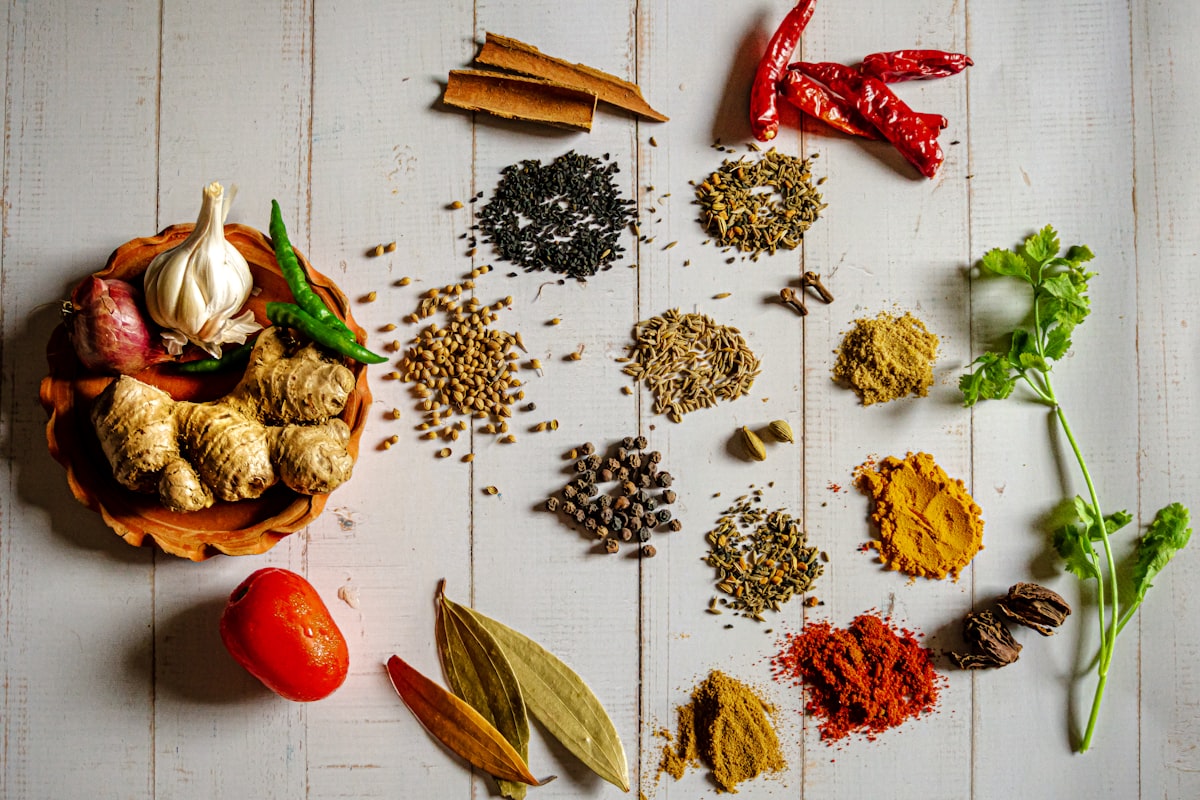
Panch Phoron: Mastering Bengal's Five-Spice Tempering
Panch phoron is the Bengali five-spice blend used whole, never ground, and crackled in hot oil to transform dals and vegetables. Here are the five seeds, the reason they stay intact, and how to nail the tempering every time.

Asafoetida (Hing): The Fermented Resin That Powers Jain Kitchens
Asafoetida, or hing, is a pungent resin that transforms in hot oil into a savoury, almost oniony depth, which is why it sits at the heart of Jain and onion-free cooking. Here is how to bloom it correctly, why it soothes dals, and how to choose pure over compounded hing.

Ghee: Making Cultured Brown Butter the Indian Way
Ghee is butter taken to its nutty, golden, shelf-stable conclusion, and the traditional cultured bilona method gives it a depth no shortcut can match. Here is how ghee is made from malai to clarified gold, why the caramelisation point matters, and how it defines tarka and mithai.