
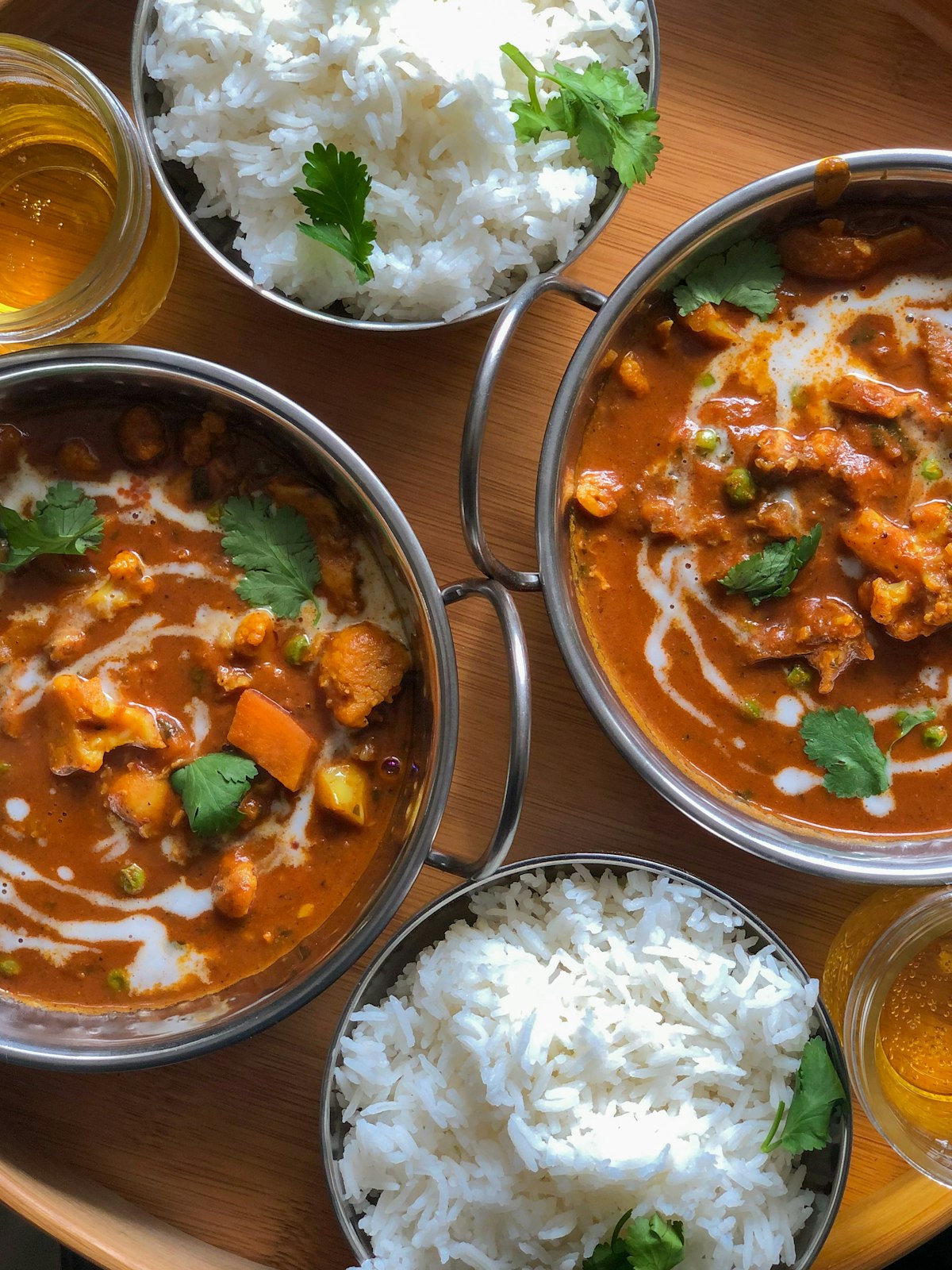
Fennel in the Indian Kitchen: From Awadhi Gravies to the After-Meal Mukhwas
Few spices in the Indian pantry travel as far across a single meal as fennel. The same pale green-gold seed that perfumes a slow-cooked Awadhi korma will reappear, perhaps an hour later, in a little dish by the door, sugared and brightly coloured, offered as you leave. Known across the subcontinent as saunf, fennel seed is at once a workhorse of the savoury kitchen and a ritual of hospitality. Understanding its dual life is one of the quiet pleasures of getting deeper into this food.
What saunf actually tastes like
Fennel seed carries a sweet, warm, anise-like flavour driven largely by anethole, the same aromatic compound found in star anise and aniseed. But fennel is gentler and greener than either, with a faint grassy freshness and a cooling finish on the tongue. That cooling quality matters in Indian cooking, where so much of the spice cabinet leans hot and pungent. Fennel offers balance: a sweet, soothing counterweight to chilli, ginger and black pepper.
It is worth distinguishing true fennel from the slightly smaller, sweeter lucknowi or sweet fennel sometimes sold for mouth-freshening, and from the mild, sugar-coated fennel of the mukhwas tray. They are all the same botanical seed at heart, simply selected and prepared for different ends.
The savoury thickener: Kashmiri and Awadhi gravies
In the refined courtly cooking of Kashmir and Awadh (the region around Lucknow), fennel is not a garnish but a backbone. Two preparations show this best.
In the Kashmiri Pandit kitchen, saunf powder, dried ground fennel, is a defining seasoning. Dishes such as the yoghurt-rich lamb yakhni and the fiery red rogan josh lean on fennel and dried ginger (saunth) rather than onion and garlic, which are traditionally avoided in much Pandit cooking. The fennel lends a sweet, rounded depth and a subtle body to gravies that would otherwise taste thin. It is the secret to that particular Kashmiri profile: aromatic, slightly sweet, never sharp.
In Awadhi cooking, fennel works alongside the famous warm-spice repertoire of the Mughlai table. Ground fennel, often toasted first, is folded into kormas and qormas, where it thickens the gravy and adds a perfumed sweetness that complements ground almonds, cashew and cream. Awadhi cooks prize this kind of layered, gentle complexity, where no single spice shouts. Fennel is one of the spices doing the binding work in the background, giving a sauce its silky cling without a heavy hand of flour or onion.
- As a powder, ground fine and added to the gravy to thicken and sweeten.
- Toasted whole and tempered in hot oil or ghee at the start, to bloom its aroma before other ingredients go in.
- Steeped in stock, as in some yakhni preparations, then strained, so the flavour infuses without graininess.
The digestive: the mukhwas tray
At the other end of the meal, fennel changes costume entirely. The mukhwas (literally a mouth-freshener) served after dinner is one of the warmest customs in Indian and Bangladeshi hospitality. A small dish of sugared, sometimes brightly coloured fennel seeds, often mixed with sesame, dried coconut, candied fennel and a touch of menthol, is offered to cleanse the palate and settle the stomach.
This is not mere decoration. Fennel has been used as a digestive across many cultures for centuries, traditionally credited with easing bloating and freshening the breath after a rich, spiced meal. In Indian households the after-dinner pinch of saunf is both genuinely soothing and a small social ritual, a signal that the meal is complete and the guest is cared for. Many UK curry restaurants keep up the tradition, setting out a bowl of sugared fennel by the till, and regulars know to take a pinch on the way out.
Buying and storing fennel seed
For cooking, look for plump, uniformly green-gold seeds with a strong sweet aroma when you crush a few between your fingers. Dull, brownish or scentless seed is old and will give you little. Indian grocers across the UK stock culinary fennel cheaply and in good turnover, which matters because, like all seeds, fennel fades once ground.
- Buy whole seed and grind small amounts as needed; ground fennel loses its perfume within weeks.
- Store airtight, away from heat and light.
- Keep a separate jar of the sweeter, finer mukhwas-grade fennel if you want to offer it after meals; it is selected for tenderness and a milder bite.
One seed, two worlds
What makes fennel so satisfying to cook with is exactly this range. It can carry the sweet, restrained gravity of a royal Lucknawi korma or the homely comfort of a Kashmiri yakhni, and then turn around and finish the meal as a fragrant, cooling digestive. Learning to use saunf both ways, as a savoury builder early in the pot and as a closing kindness at the end of the table, is a small but real step into the deeper grammar of this cuisine.
Related Articles
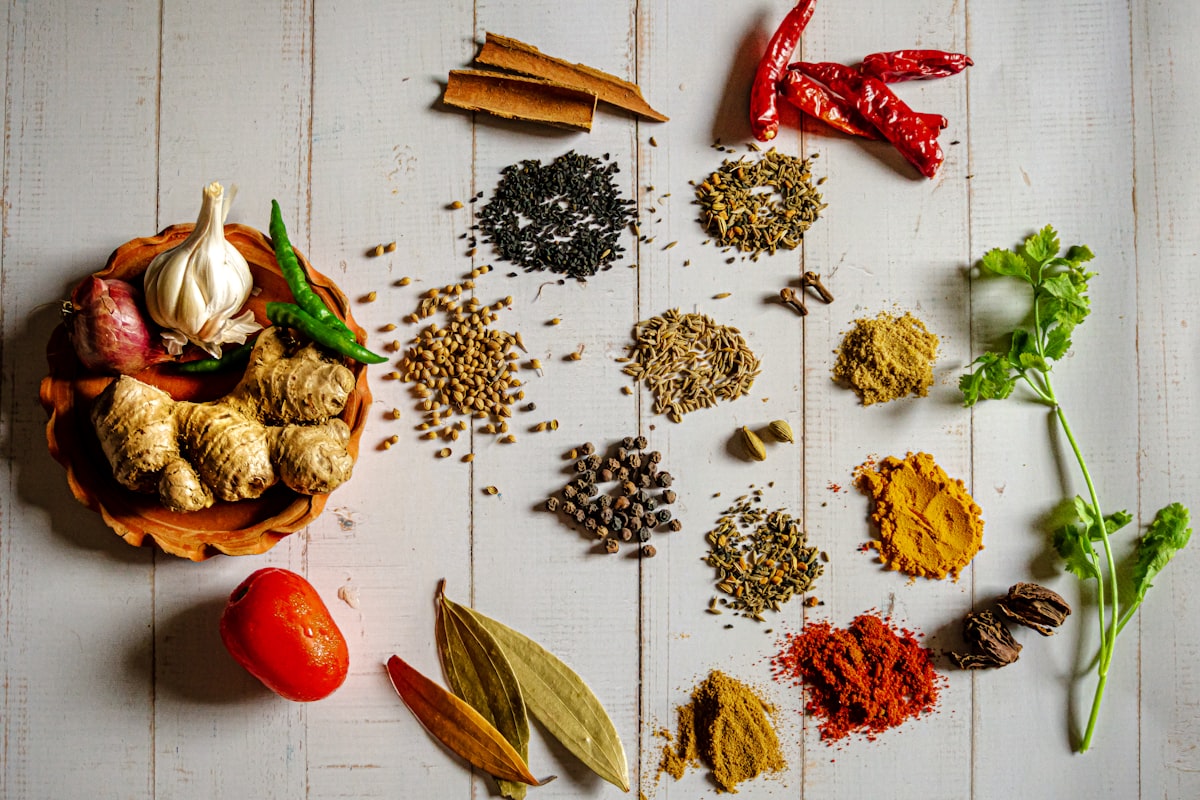
Panch Phoron: Mastering Bengal's Five-Spice Tempering
Panch phoron is the Bengali five-spice blend used whole, never ground, and crackled in hot oil to transform dals and vegetables. Here are the five seeds, the reason they stay intact, and how to nail the tempering every time.

Asafoetida (Hing): The Fermented Resin That Powers Jain Kitchens
Asafoetida, or hing, is a pungent resin that transforms in hot oil into a savoury, almost oniony depth, which is why it sits at the heart of Jain and onion-free cooking. Here is how to bloom it correctly, why it soothes dals, and how to choose pure over compounded hing.

Mustard Oil: The Pungent Soul of Bengali and Bihari Cooking
Mustard oil gives Bengali and Bihari food its unmistakable sharp, nose-tingling kick, but it needs to be heated to smoking point before use to mellow that raw bite. Here is why you smoke it, how it powers fish and pickles, and the curious 'external use only' label found on UK bottles.