
Mughlai
Articles about mughlai in the UK curry industry
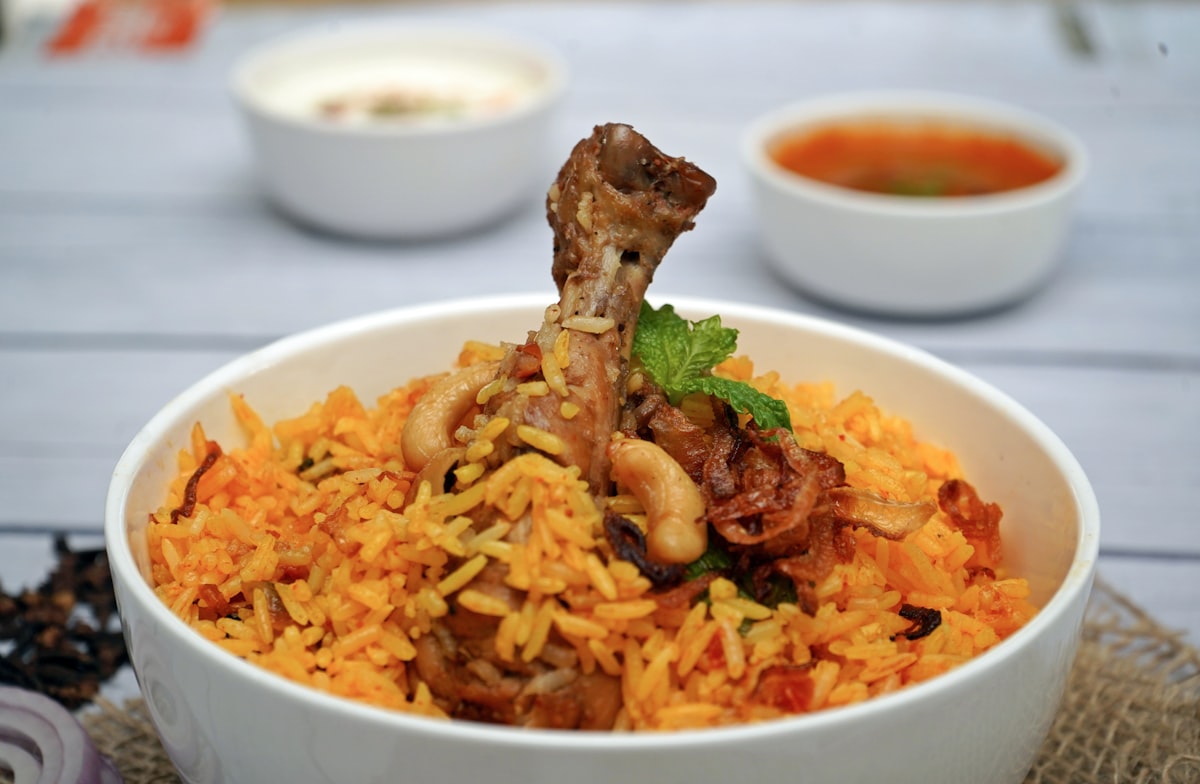
Hyderabadi Mirchi ka Salan and Bagara Baingan: The Nutty Gravies That Partner Biryani
Hyderabad's peanut-sesame-tamarind gravies, mirchi ka salan and bagara baingan, are the unsung partners to its famous biryani. They tell the story of a Deccani cuisine where Mughal richness meets Telugu sourness and spice.
Awadhi Kakori Kebab: The Silk-Smooth Skewer That Demands a Hundred Spices
The Kakori kebab of Lucknow is the most refined of all minced-meat kebabs, tenderised with raw papaya and bound with finely pounded mince and a long list of spices. Its silken texture is the legacy of Awadh's nawabi kitchens.
Mughlai Korma, Truly: The Almond, Cream and Saffron Banquet Dish Before Britain Sweetened It
Long before the British curry house turned korma into a mild, coconut-sweet crowd-pleaser, it was a royal Mughal braise of almonds, cream, saffron and slow-cooked meat. Here is how to reclaim the real dish and understand how it changed on its journey to Britain.

Dum Pukht Beyond Biryani: Sealing Stews, Vegetables and Whole Birds in a Handi
Dum pukht, the sealed slow-steam method of Awadhi cooking, is famous for biryani but reaches far beyond it, gently cooking vegetables, koftas and even whole birds in their own trapped aromas. Here is how the dough seal works and how to use the technique at home.
Layering a Lucknowi Biryani: The Pukki Method Where Rice and Meat Cook Apart
Awadhi biryani builds its elegance on the pukki method, cooking rice and meat separately before layering and steaming them together. Here is how it differs from the Hyderabadi style and how the layers come together.