
Tips
Articles about tips in the UK curry industry

Marination Science: Why Yoghurt, Papaya and Time Tenderise Meat
The secret to melt-in-the-mouth tikka and kebabs is not just spice, it is chemistry. Here is how yoghurt, papaya and acids actually tenderise meat, and how to avoid the mushy trap of over-marinating.

Laccha Paratha: Building the Flaky Layered Whorls
How the pleat-and-coil method, ghee between every layer, and a sharp crush on the tawa turn plain dough into the shatteringly flaky, ring-patterned laccha paratha. A practical guide for the home cook who wants restaurant-grade strands.
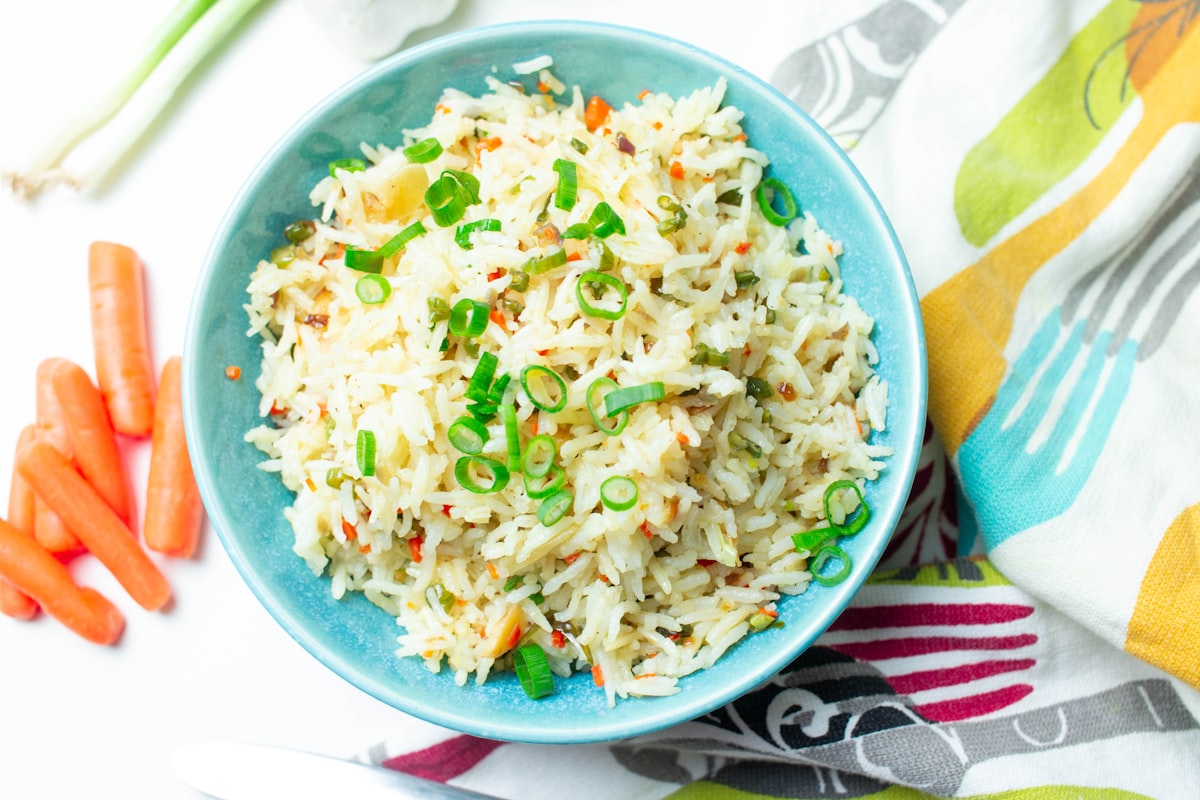
Sella vs Basmati: Choosing the Right Rice for Your Biryani
Parboiled sella rice holds its shape under the heat of dum, while aged basmati delivers fragrance and slender grains. This guide breaks down ageing, soaking and par-boiling targets so you pick the right rice for the biryani you want.

Paan: The Betel Leaf Ritual That Closes a Subcontinental Meal
Paan is the folded betel-leaf parcel that traditionally ends a meal across India, Pakistan and Bangladesh, prized for digestion, fragrance and conviviality. Here is how it works, what goes inside, and how UK curry houses still offer it.

Chingri Bhapa to Doi Maach: How Bengalis Cook with Mustard, Coconut and Yoghurt
Bengali fish and prawn cookery rests on three sauce bases: pungent mustard, rich coconut and tangy yoghurt. This technique-led guide explains when each is used, the dishes they build, and how to balance them.
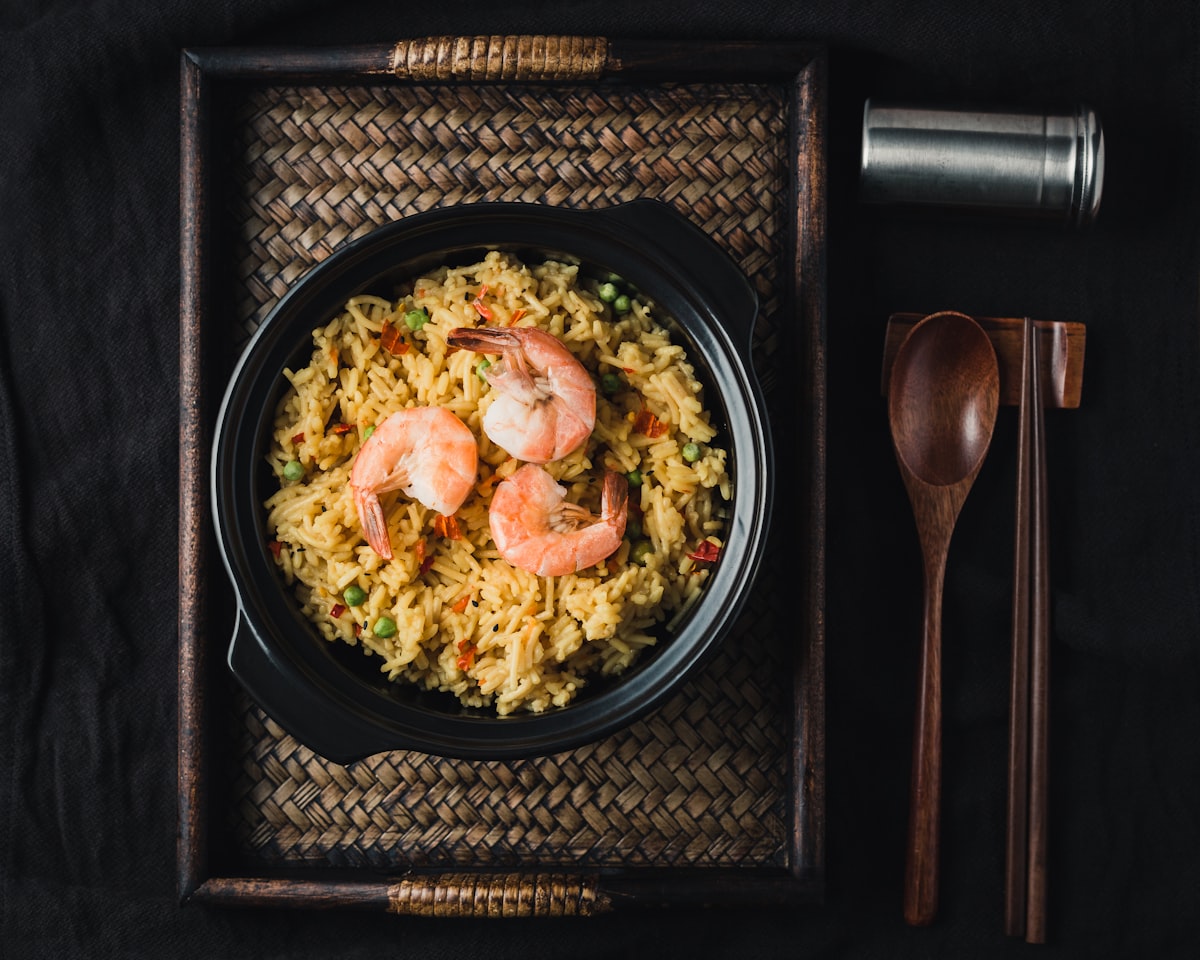
Bhuna Khichuri's Companions: Begun Bhaja, Dim Bhuna and the Rainy-Day Bengali Plate
Khichuri is never eaten alone in Bengal. Meet the supporting cast that completes the plate, from crisp fried aubergine to rich egg bhuna, and the cherished ritual of cooking khichuri when the rain comes down.
Kashmiri Yakhni and Dum Aloo: The Yoghurt and Fennel School of Wazwan Cooking
Kashmiri yakhni and dum aloo follow a logic unlike almost any other Indian cooking: pale gravies built on yoghurt, fennel and dried ginger, often with no onions or tomatoes at all. We trace the Pandit and Wazwan traditions behind them.
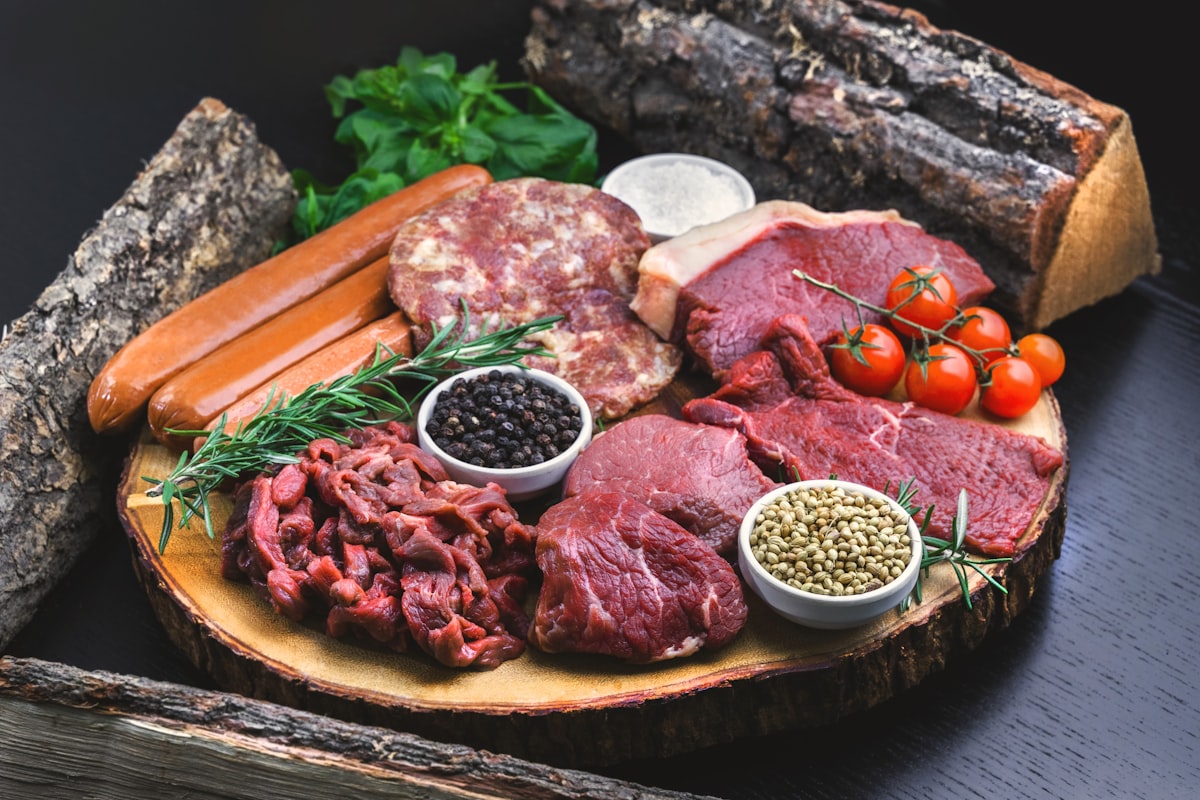
Gujarati Kadhi, Dhokla and the Science of the Sweet-Sour Vegetarian Day
Gujarati cooking balances sweet, sour, salty and spicy in a way few other regional cuisines attempt, from yoghurt-and-gram-flour kadhi to steamed fermented dhokla. Here is the logic behind the sugar-in-everything reputation and the vegetarian thali it builds.
Kashmiri Rogan Josh's Cousins: Aab Gosht and Marchwangan Korma Explained
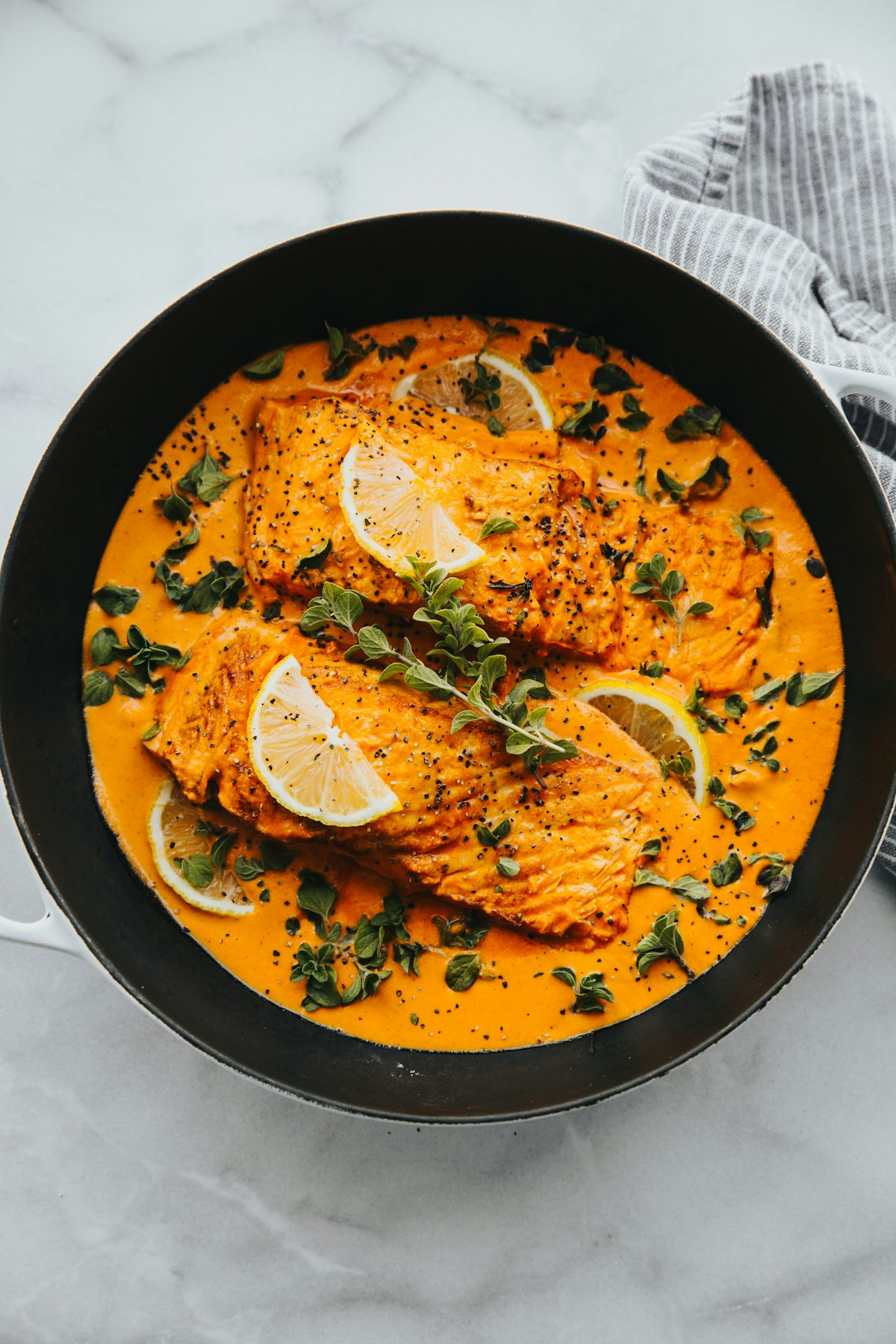
Rogan josh gets all the attention, but the Kashmiri Wazwan feast is full of remarkable lamb dishes. Meet aab gosht, the delicate milk-based braise, and marchwangan korma, the fiercely chilli-laced korma, and learn how each handles Kashmir's distinctive spices.

Bengali Fish Mastery: Scaling, Cutting and Cooking Rui, Katla and Pabda the Right Way
In Bengal, fish is not an ingredient but a culture, and how you cut it matters as much as how you cook it. This practical guide covers rui, katla and pabda, the right cut for the right dish, and why the head and tail are the most prized pieces of all.
Fennel in the Indian Kitchen: From Awadhi Gravies to the After-Meal Mukhwas
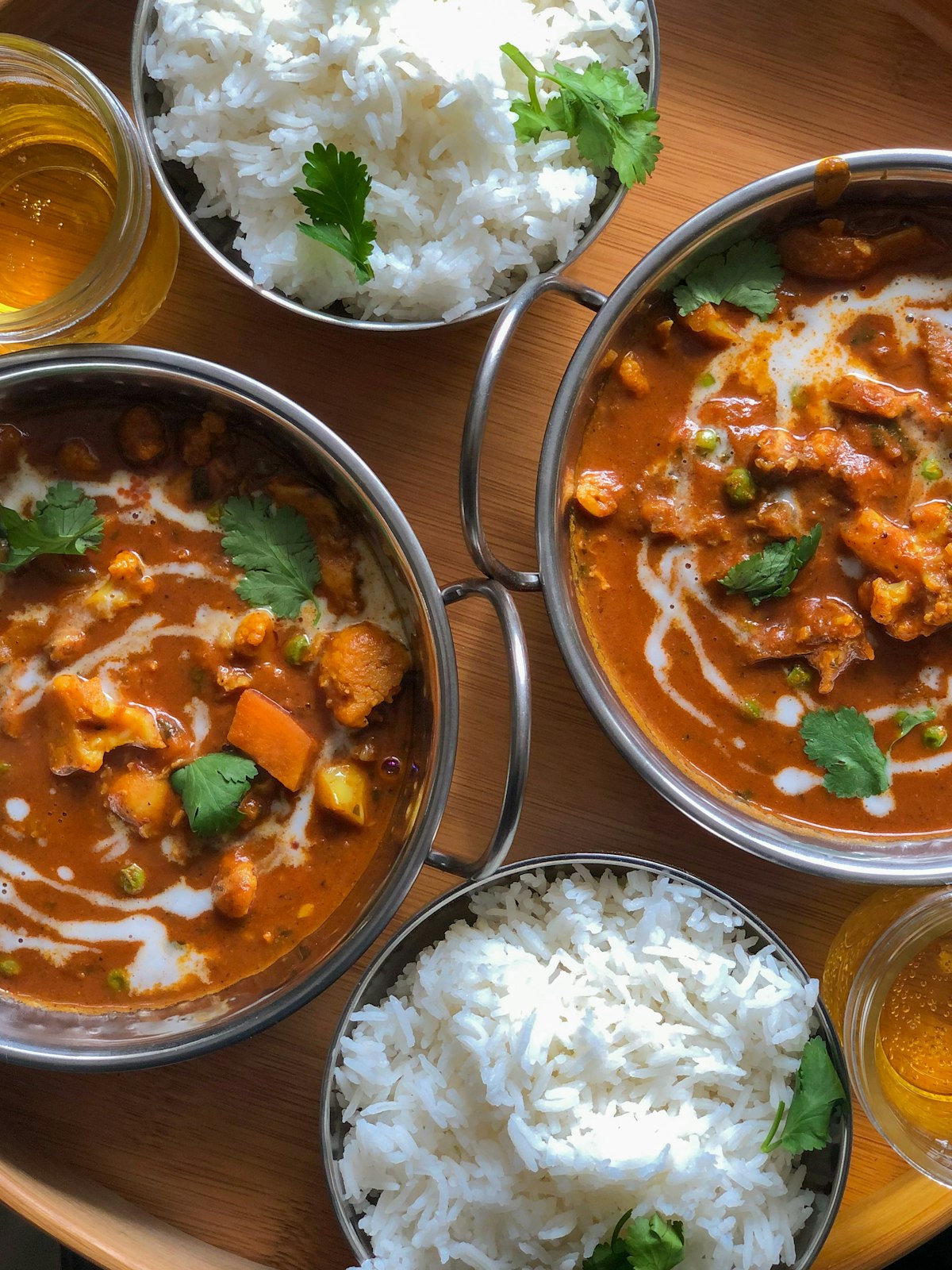
Saunf, or fennel seed, leads a double life in Indian cooking: a savoury, aniseed-sweet thickener in the royal gravies of Kashmir and Awadh, and the cooling, digestive star of the after-dinner mukhwas tray. Here is how one humble seed earns both roles.
Jeera vs Shahi Jeera: The Two Cumins and Where Each Belongs
Ordinary cumin and the delicate, smoky shahi jeera are routinely confused, yet they are different plants with different jobs. Here is how to tell them apart, how each tastes, and why the more expensive one earns its place in a biryani.