
Blog
Insights, guides, and stories from the UK curry industry

Keralan Beef Ularthiyathu: The Black Pepper and Coconut Dry-Fry of Malabar Christians
Beef ularthiyathu is the dark, intensely spiced dry-fried beef of Kerala's Syrian Christians, built on black pepper, curry leaves and toasted coconut slivers. We explore the dish, its technique, and Kerala's distinct beef-eating heritage.
Maharashtrian Pandhra and Saoji: Vidarbha's Black, Fiery Mutton Tradition
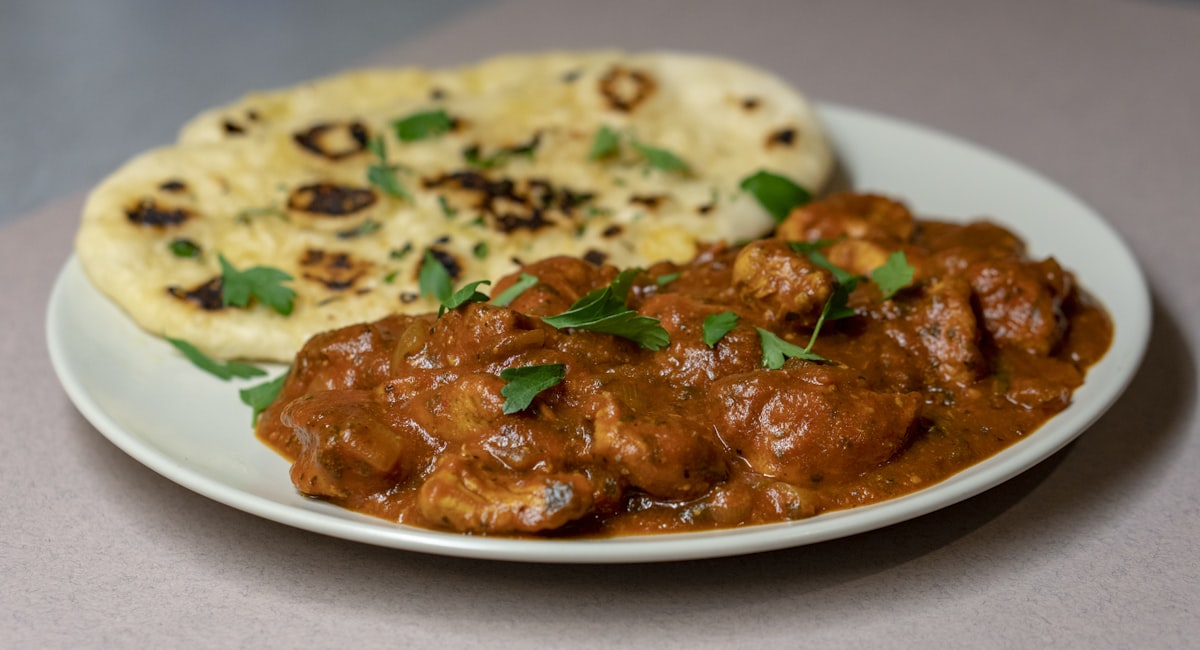
Deep in eastern Maharashtra, the Saoji community of Nagpur cooks some of India's hottest, oiliest mutton curries, built on a secret masala of poppy seeds and stone flower. Here is what makes Vidarbha's black, blistering gravies so different from the coastal Maharashtrian food most British diners know.

Mughlai Korma, Truly: The Almond, Cream and Saffron Banquet Dish Before Britain Sweetened It
Long before the British curry house turned korma into a mild, coconut-sweet crowd-pleaser, it was a royal Mughal braise of almonds, cream, saffron and slow-cooked meat. Here is how to reclaim the real dish and understand how it changed on its journey to Britain.
Kashmiri Rogan Josh's Cousins: Aab Gosht and Marchwangan Korma Explained
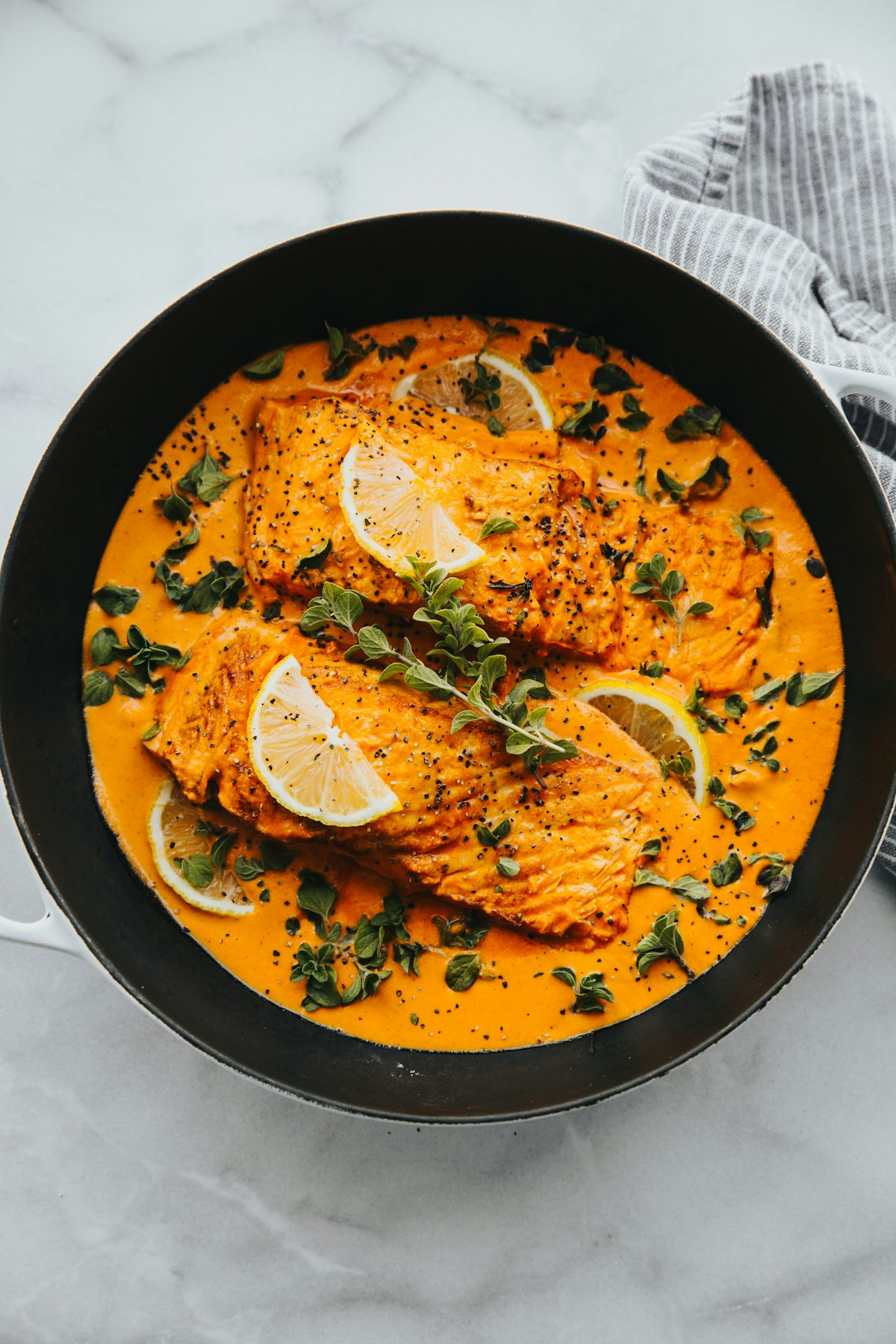
Rogan josh gets all the attention, but the Kashmiri Wazwan feast is full of remarkable lamb dishes. Meet aab gosht, the delicate milk-based braise, and marchwangan korma, the fiercely chilli-laced korma, and learn how each handles Kashmir's distinctive spices.

Sylheti Hatkora and Beyond: The Wild Citrus, Snails and Foraged Greens of the Surma Valley
The Sylhet region gave Britain most of its curry houses, but its true home larder is wilder than the menu suggests. Discover hatkora citrus, foraged greens and freshwater snails, and how Sylheti cooks recreate these Surma Valley flavours in Britain.

Bengali Fish Mastery: Scaling, Cutting and Cooking Rui, Katla and Pabda the Right Way
In Bengal, fish is not an ingredient but a culture, and how you cut it matters as much as how you cook it. This practical guide covers rui, katla and pabda, the right cut for the right dish, and why the head and tail are the most prized pieces of all.
Panch Phoron's Southern Mirror: How Sambar Powder and Rasam Powder Are Built
Sambar powder and rasam powder are the roasted lentil-and-spice backbones of South Indian cooking, built on a very different logic from the dry-roasted whole-spice garam masalas of the north. Here is how each blend is constructed, why lentils belong in the grinder, and how UK kitchens get them right.
Fennel in the Indian Kitchen: From Awadhi Gravies to the After-Meal Mukhwas
Saunf, or fennel seed, leads a double life in Indian cooking: a savoury, aniseed-sweet thickener in the royal gravies of Kashmir and Awadh, and the cooling, digestive star of the after-dinner mukhwas tray. Here is how one humble seed earns both roles.
Jeera vs Shahi Jeera: The Two Cumins and Where Each Belongs
Ordinary cumin and the delicate, smoky shahi jeera are routinely confused, yet they are different plants with different jobs. Here is how to tell them apart, how each tastes, and why the more expensive one earns its place in a biryani.

Coconut Three Ways: Grated, Milk and Oil in the Cooking of India's Coastlines
Along India's long western and eastern coasts, coconut is not one ingredient but three: fresh grated flesh, extracted milk, and cooking oil, each used differently from Kerala to Goa to coastal Bengal. Here is how each form shapes the food of the shore.

Dum Pukht Beyond Biryani: Sealing Stews, Vegetables and Whole Birds in a Handi
Dum pukht, the sealed slow-steam method of Awadhi cooking, is famous for biryani but reaches far beyond it, gently cooking vegetables, koftas and even whole birds in their own trapped aromas. Here is how the dough seal works and how to use the technique at home.

Bhunao Step by Step: Reading the Oil-Separation Signs of a Properly Cooked Masala
Bhunao is the patient fry-down that builds the backbone of nearly every great curry. Here is how to read the colour, sound and oil-splitting cues that tell you a masala is truly cooked.